Herat Province
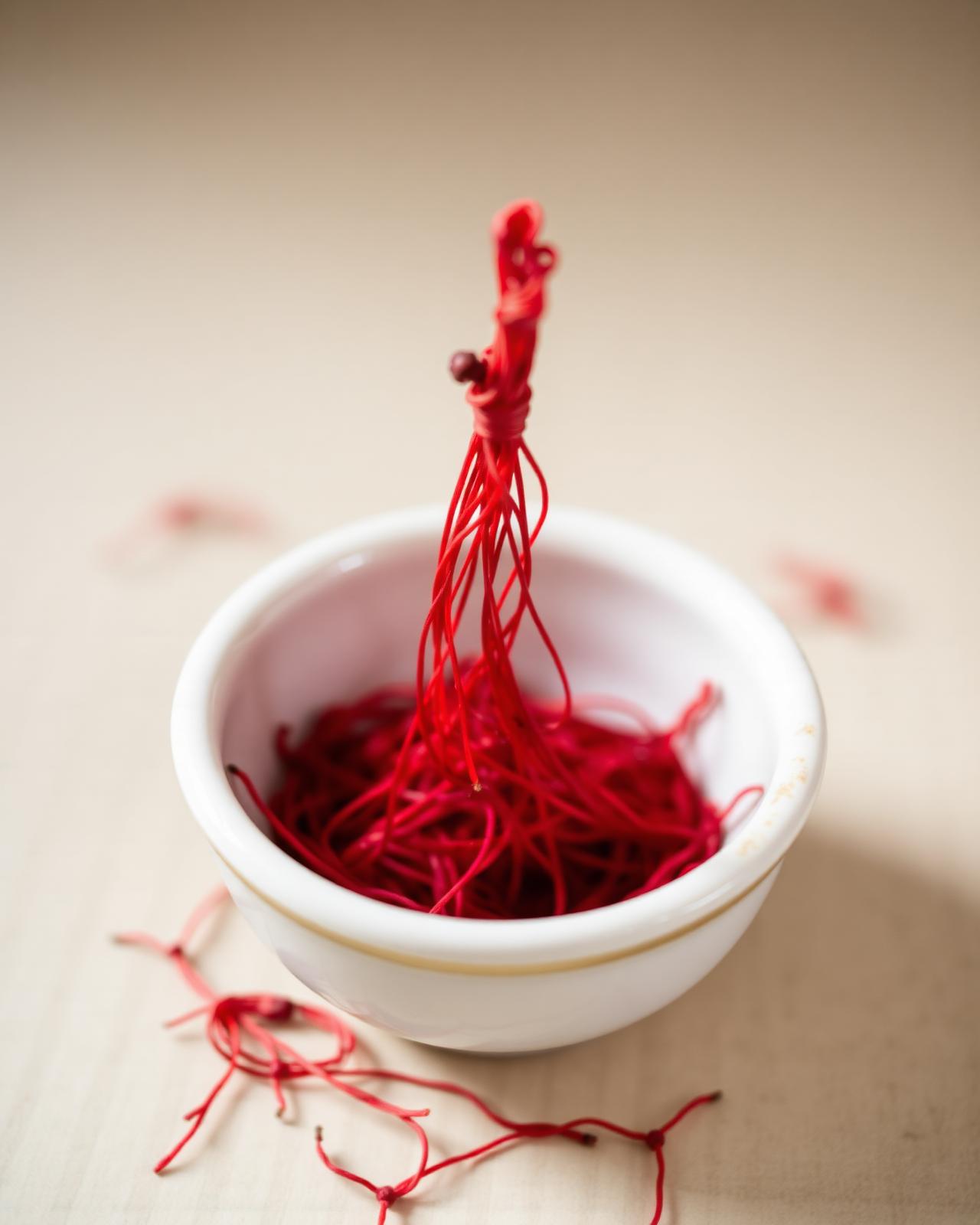
Herat Sargol Saffron
ISO 3632 Cat. I · Crocin ≥ 270 · All-red stigma, no yellow style
Islamic Republic of Afghanistan
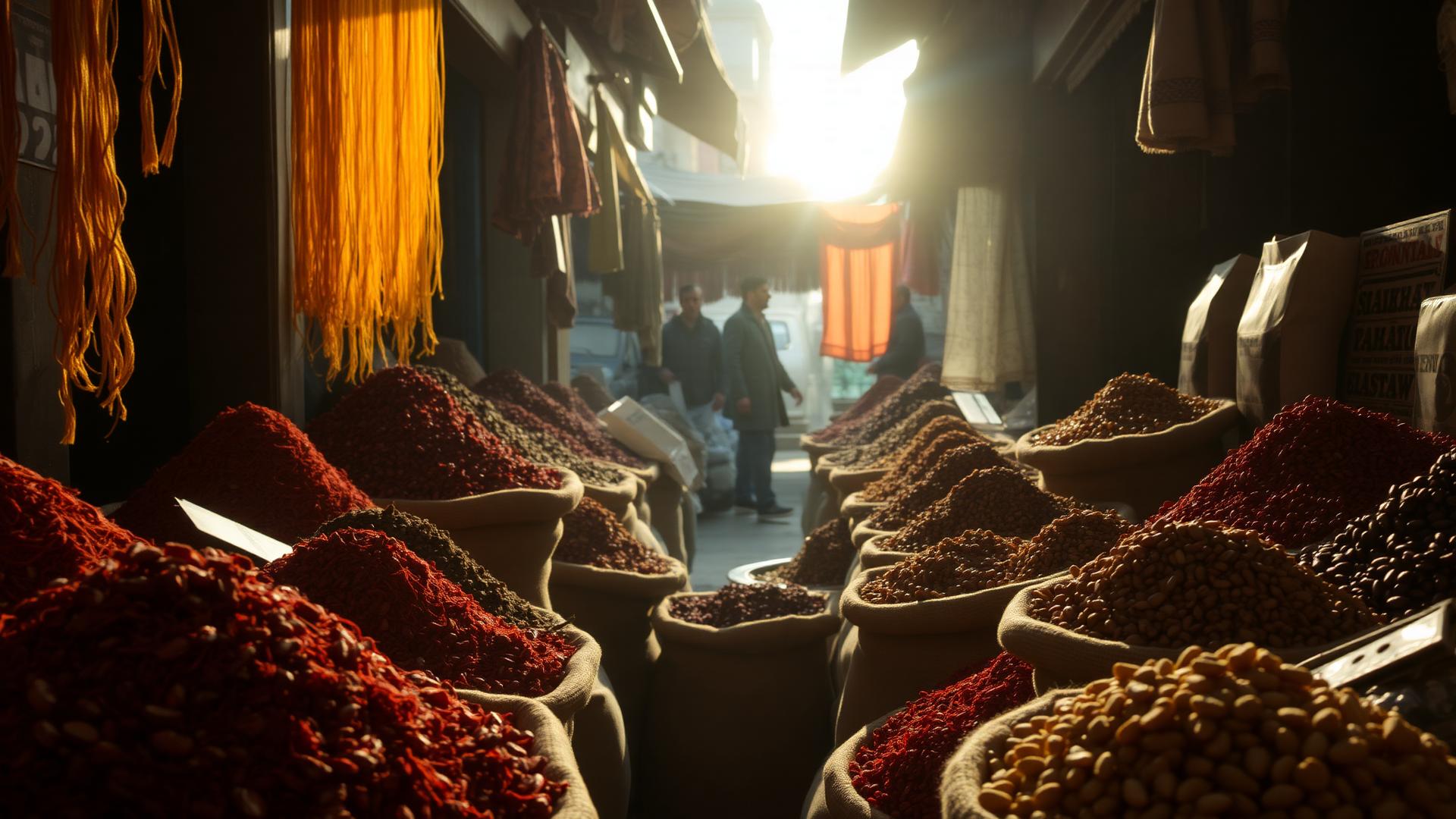
Afghanistan grows what nowhere else can — the world's strongest saffron, wild Pamir black cumin, and orchard-dried fruit from glacier-fed valleys in the Hindu Kush. We trade direct with grower co-operatives in Herat, Badakhshan and Kandahar.
A crossroads cuisine
For two millennia Afghan caravans carried saffron, asafoetida and dried fruit from Herat and Balkh westward into Persia and eastward over the Khyber. The country sits at the exact point where Persian, Central Asian and South Asian foodways collide — and its pantry shows it. Saffron rice from Herat, anardana chutneys from Kandahar, kala zeera pilaf from Badakhshan: nothing else tastes quite like it.
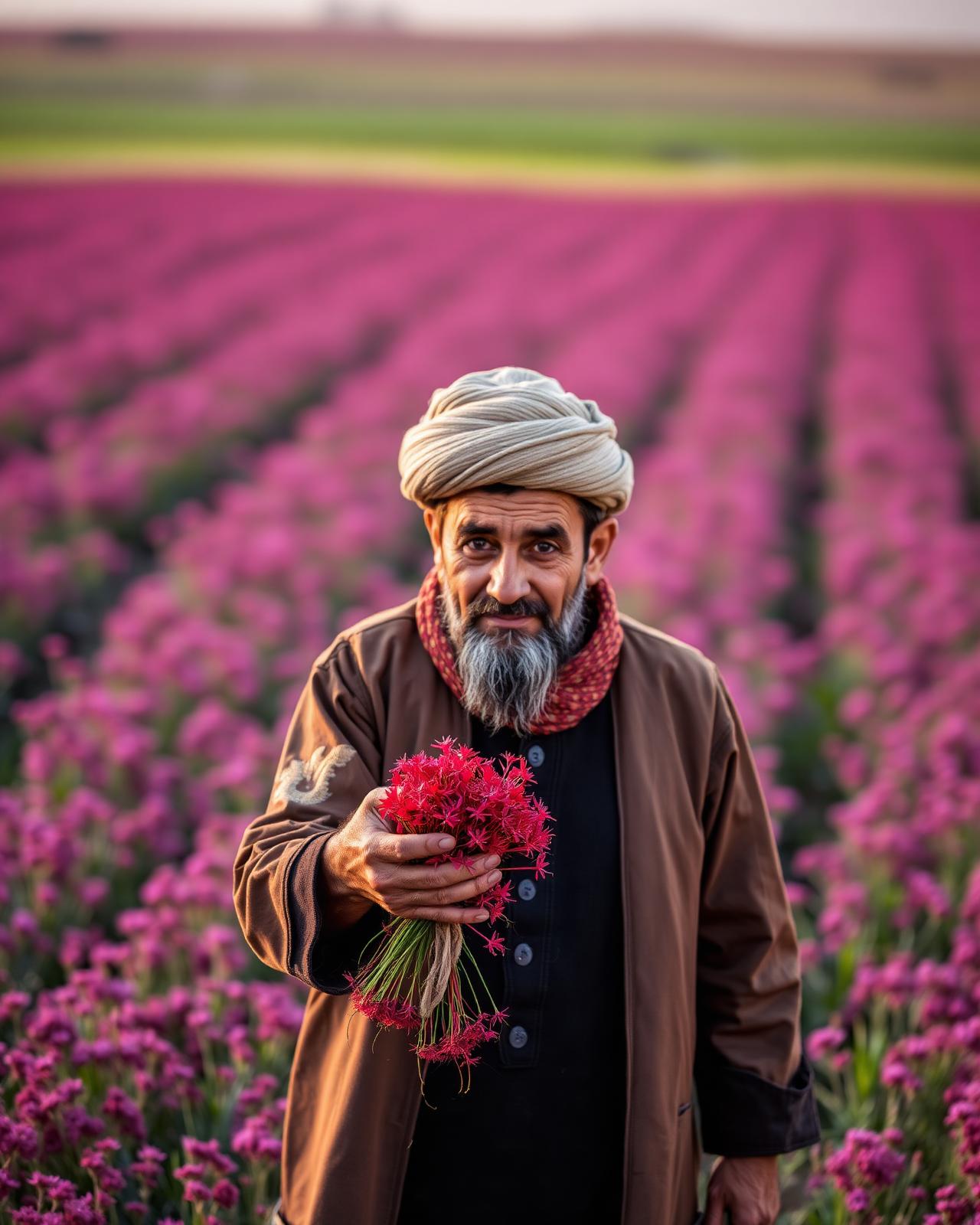
Miss Masala works directly with grower co-operatives across four provinces. Saffron is hand-plucked at dawn, dried within four hours, and lab-graded against ISO 3632 before it leaves the country. Dry fruit is sun-cured in mountain orchards — no sulphur, no glycerine, no industrial oven. The flavours are bigger because the process is older.
Where we source
Afghanistan's terrain ranges from 7,000-metre Pamir peaks to the warm orchards of Kandahar. That altitude swing is exactly why one country produces both the world's most aromatic saffron and its sweetest sun-dried apricots.
Sargol & Negin saffron, rose petals
Herat's dry continental climate, mineral-rich soil and short, brilliant autumn produce saffron with the highest crocin (colour), picrocrocin (flavour) and safranal (aroma) values in the world — routinely outscoring ISO 3632 Category I.
Kala zeera (Bunium persicum), wild cumin, mountain thyme
Above 2,500 metres, wild black cumin grows slowly on stony slopes. Hand-foraged by Wakhi and Tajik families, it has a smoky, almost truffle-like depth that ordinary cumin can't touch.
Pomegranate seed (anardana), dried mulberries, figs
Kandahari pomegranates are legendary — small, tart, and so seed-dense they're sun-dried into anardana, the souring agent that gives Afghan and North Indian cooking its signature tang.
Apricots, long green pistachios, sweet almonds, walnuts
Glacier-fed orchards in the Hindu Kush yield the world's most prized dry fruit. Our apricots are sun-dried whole on the branch, our pistachios opened naturally on the tree, our almonds sweet and paper-shelled.
From this country
ISO 3632 Cat. I · Crocin ≥ 270 · All-red stigma, no yellow style
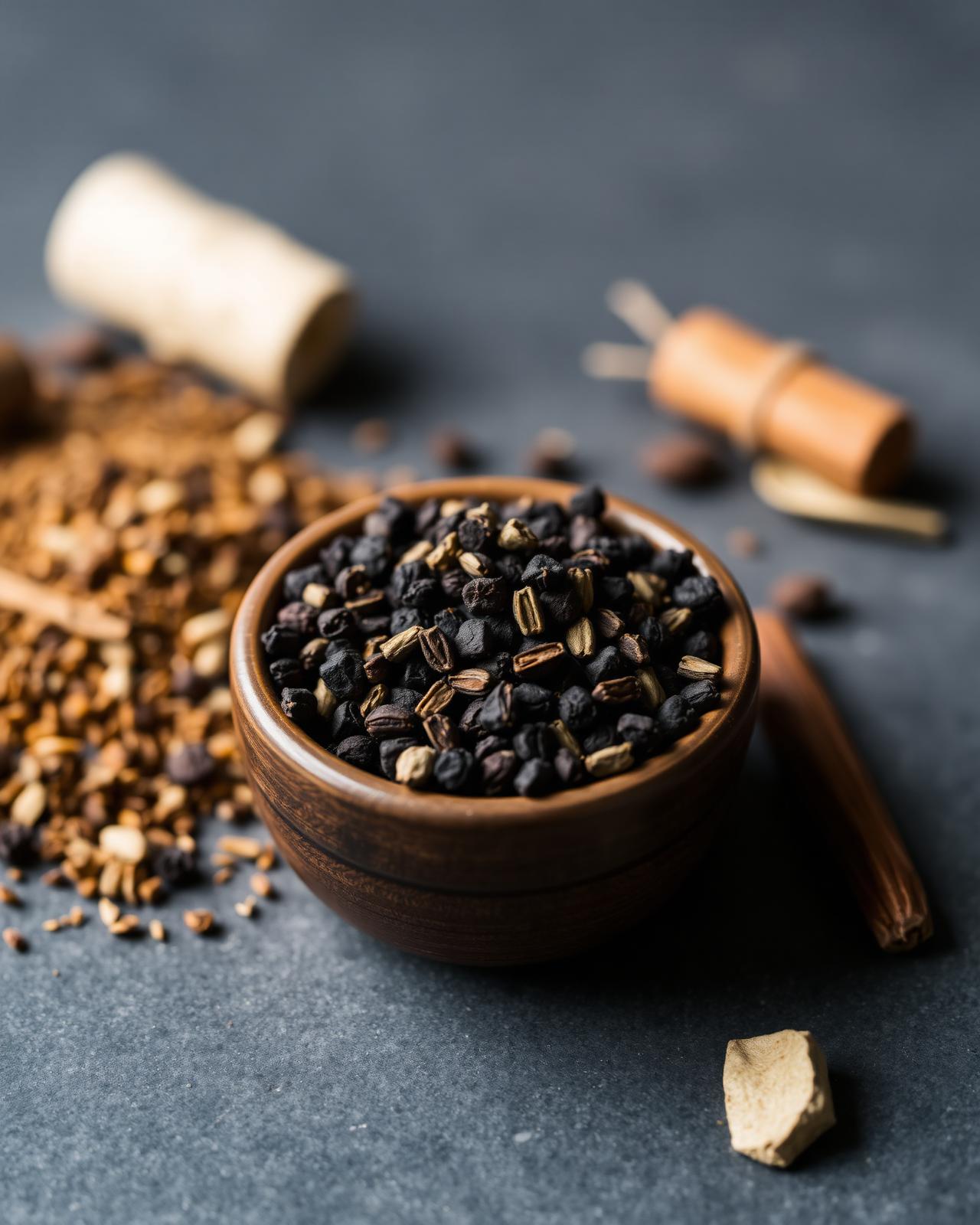
Hand-foraged at 2,500m+ · Smoky, slow-roasted aroma
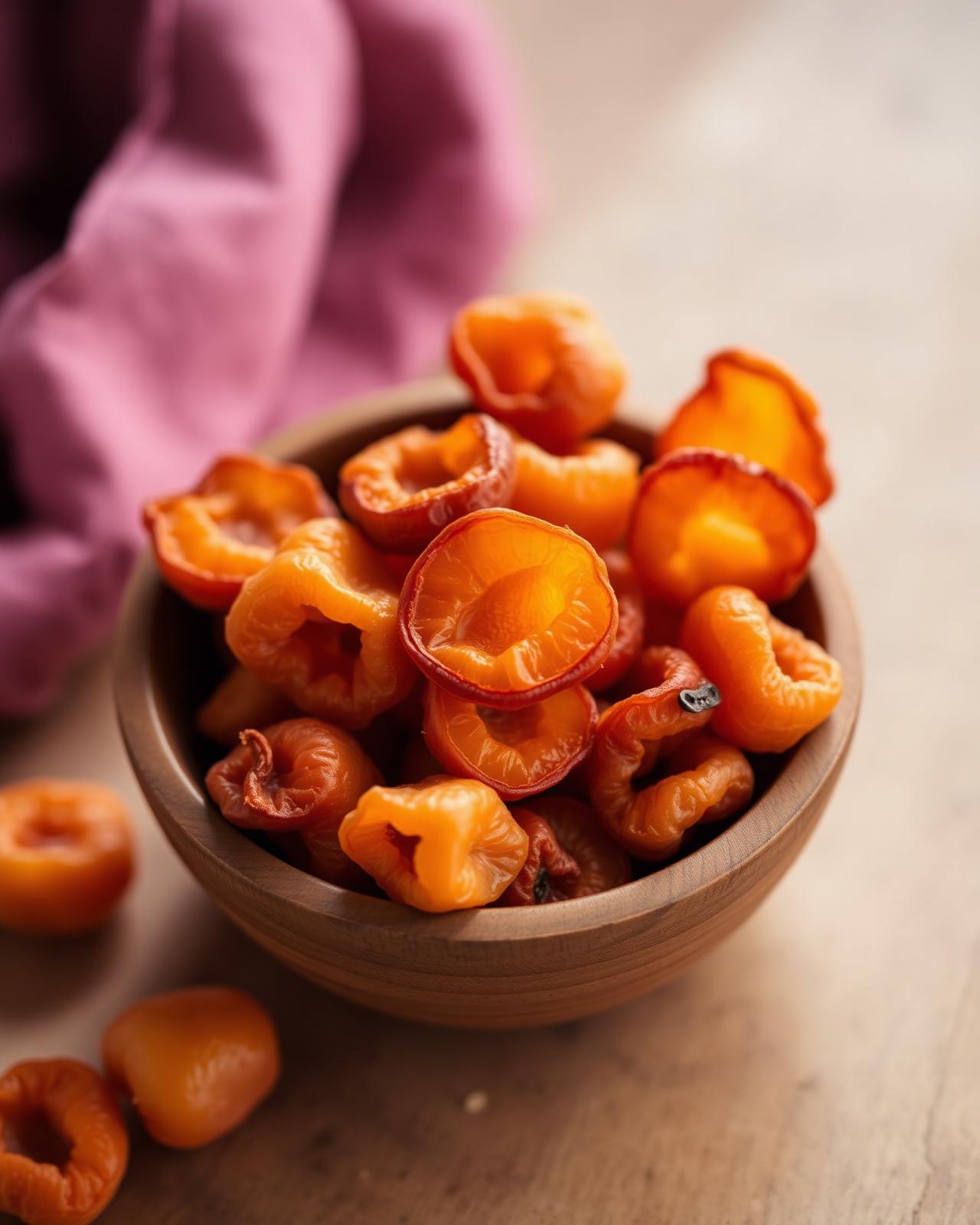
Unsulphured · Whole-pit dried on the branch · Naturally amber
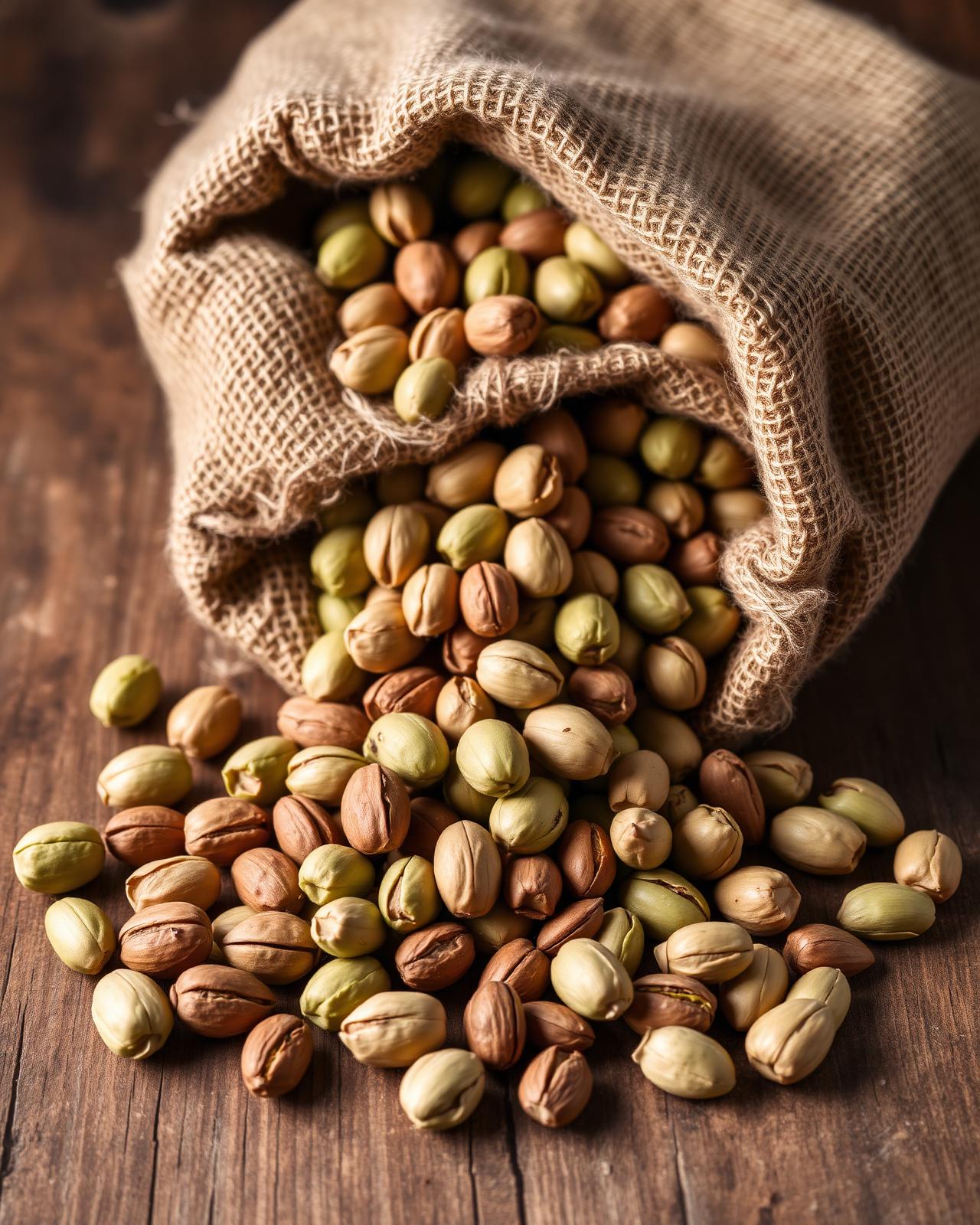
Tree-opened · Paper-shell · Mineral-sweet, never bleached
Khushk-mewa — dry fruit
Most supermarket apricots are gassed with sulphur dioxide to stay bright orange. Ours go dark amber as nature intended — richer, deeper, and safe for sulphite-sensitive customers.
Afghan long green pistachios split naturally on the branch as they ripen. We rinse, sort and pack — no bleach, no oil, no salt unless you ask.
Wild, tart pomegranates from the south are de-seeded by hand and sun-dried into anardana — the souring spice that defines Afghan korma and Punjabi chole.
Organic & ethical
Each saffron lot is tested for crocin, picrocrocin and safranal at an accredited lab in Herat and again on arrival in the UK. We publish the certificate with every wholesale order.
Most of our Pamir and Hindu Kush growers farm without pesticides — at 2,500m+ there are no pests to spray for. We're working with partners on formal EU organic certification for 2026 lots.
Saffron picking and stigma-separation in Herat is overwhelmingly done by women. We pay our co-operatives at the farm gate, in advance, in local currency — the fairest model we've found.
"It takes 150,000 hand-picked crocus flowers to make a single kilogram of saffron. Afghanistan has been doing it patiently for a thousand years — we just carry it carefully to your kitchen."
— The Miss Masala sourcing team
Browse the full single-origin range, or explore the next country on our route.
We use cookies
Strictly-necessary cookies keep the site working. Analytics and marketing cookies are off until you opt in. See our Privacy Policy.