Rajshahi
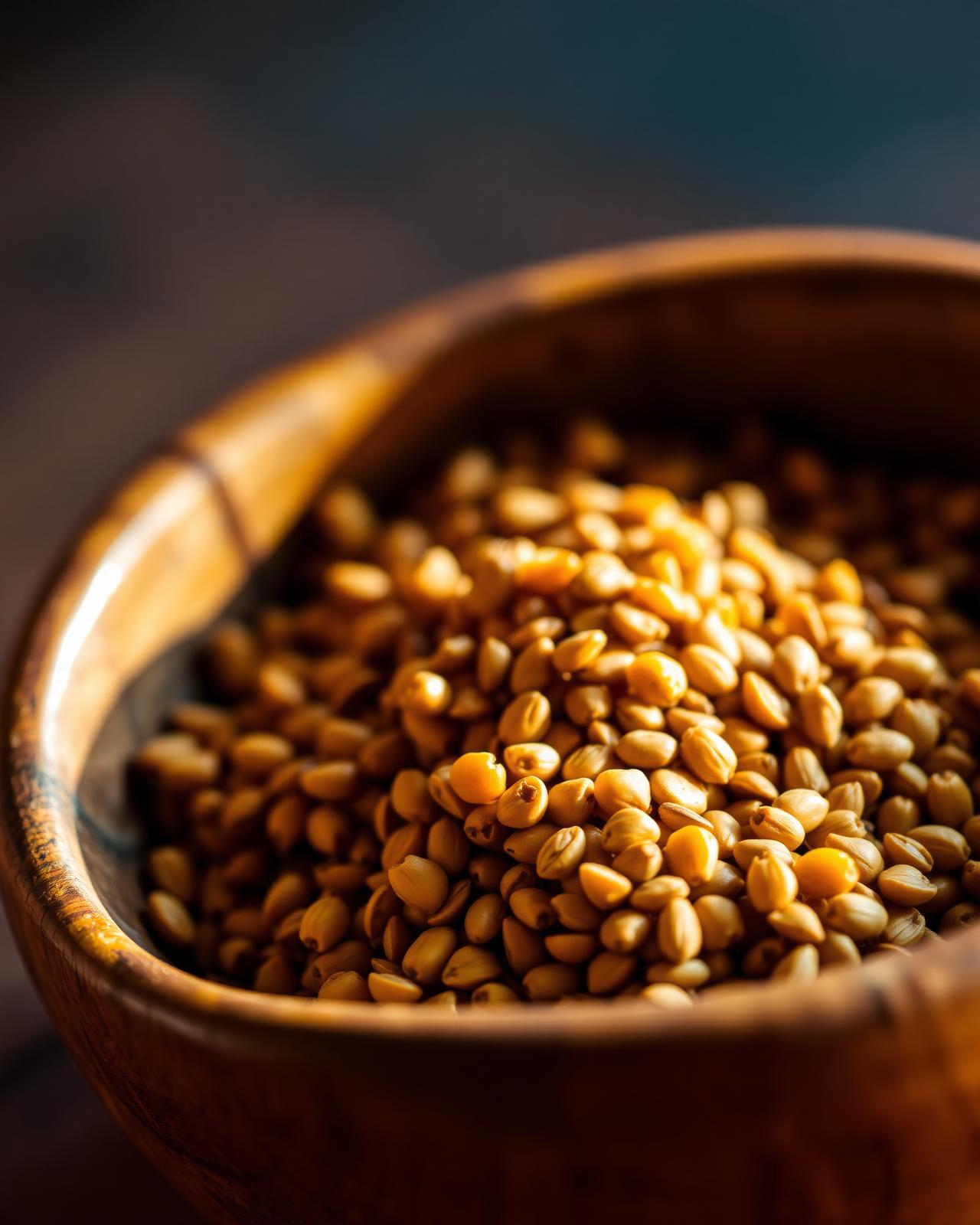
Bengali Yellow Mustard (Shorshe)
Pungent · Allyl-isothiocyanate rich · Stone-grindable
People's Republic of Bangladesh
Bengal cooks with a quieter, greener palette than the rest of the subcontinent — mustard, nigella, fennel and fenugreek instead of garam masala. Miss Masala sources the Bengali pantry direct from delta farms and hill estates.
A different kind of subcontinental cooking
Walk into a kitchen in Dhaka, Khulna or Chittagong and the first jar on the shelf isn't garam masala — it's shorshe, golden mustard seed. The second is panch phoron, the five-whole-spice tempering blend that defines Bengali cooking from Rajshahi to West Bengal. Bengal's cuisine grew up on the world's largest river delta, where fish, lentils and bitter greens demanded sharp, aromatic seeds rather than heavy ground-spice gravies.
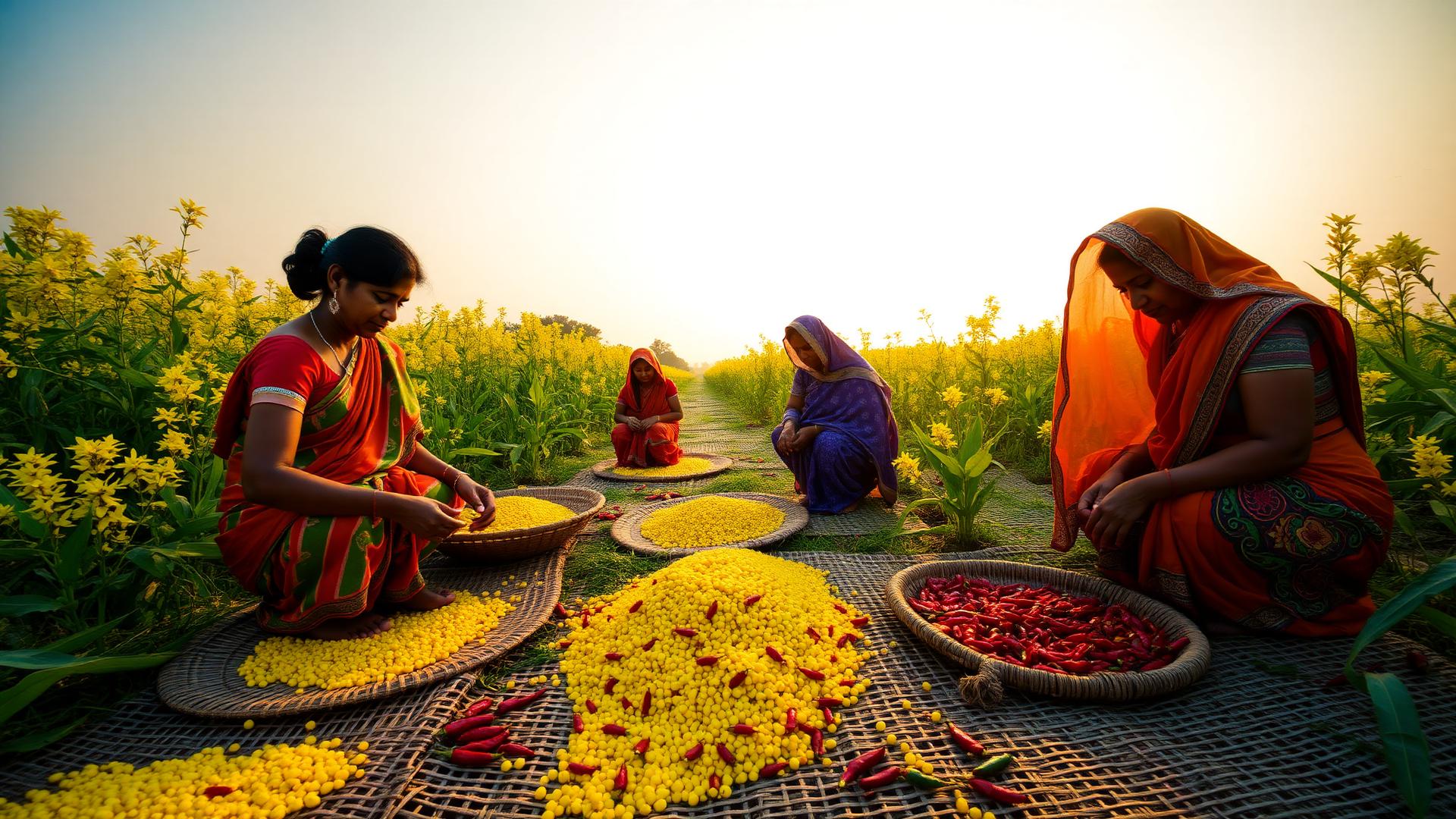
We work directly with smallholder co-operatives in the mustard belt, with family-run tea estates in Sylhet, and with the seed-savers of Dinajpur who keep Bangladesh's tiny aromatic rices alive. Every batch leaves the country sealed, re-tested in our UK warehouse, and labelled with the district it came from.
Where we source
Bangladesh is small but agriculturally extraordinary — the world's largest delta plus one tea-growing hill region. Each gives our pantry something nowhere else can.
Yellow & brown mustard seed (shorshe), nigella
The fertile flood-plains north of the Padma river produce Bangladesh's signature pungent mustard. Cold-pressed for oil, stone-ground for the wet pastes that define maacher jhol and shorshe ilish.
Orthodox black tea, bay leaf (tej patta), turmeric
Bangladesh's only tea region, with rolling estates established in the 1850s. Cooler hills and high humidity also give us bright, resinous tej patta and a vivid lemon-yellow turmeric.
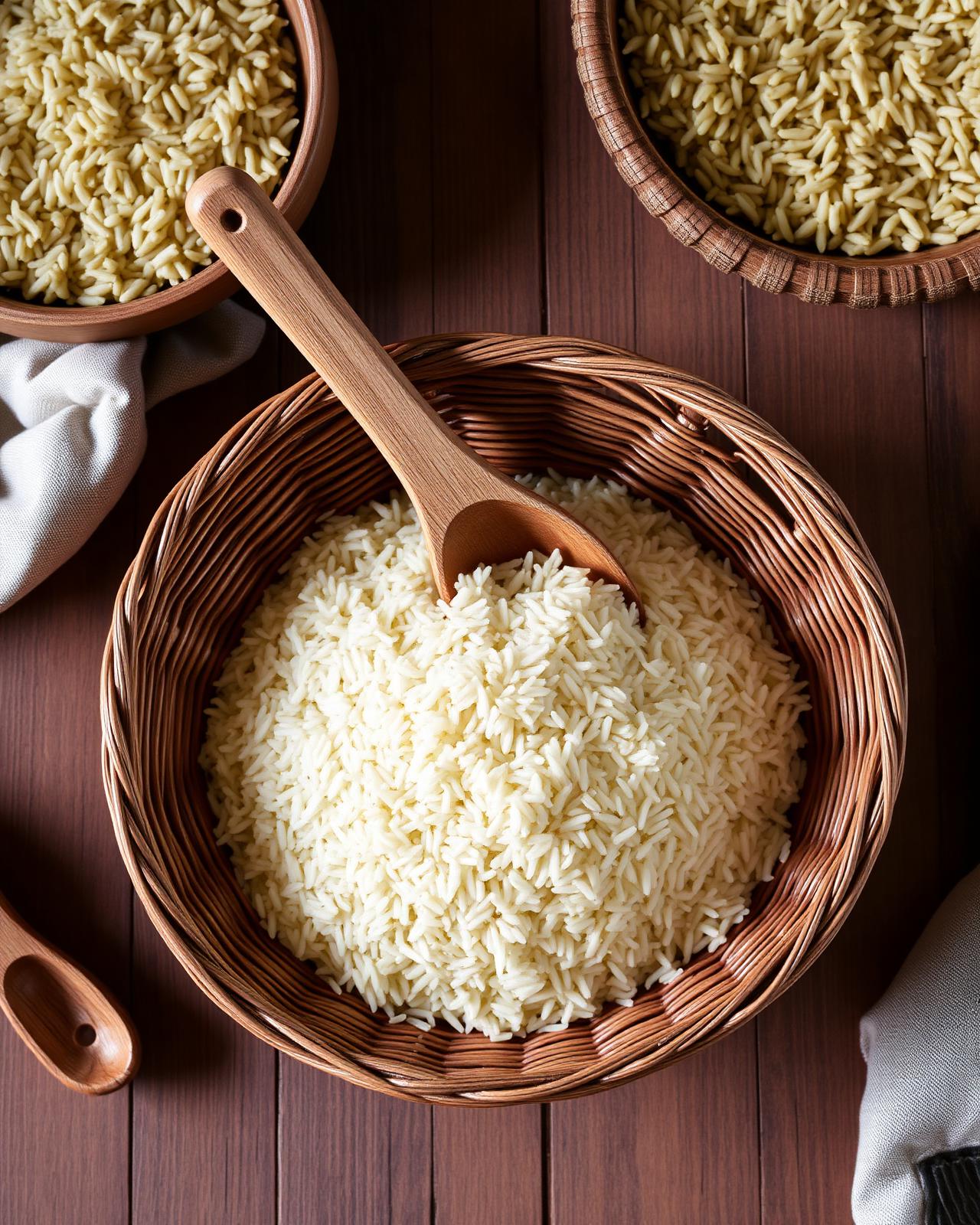
Kalijira, Chinigura & Kataribhog aromatic rice
Home to Bangladesh's tiny, perfumed heritage rices — the 'prince of rice' Kalijira used in polao and biryani for centuries. Grown from saved seed, never hybridised.
Khejur gur (date palm jaggery), wild honey, sea salt
Where the Ganges meets the Bay of Bengal. Date-palm tappers and Sundarbans honey-gatherers (mawalis) supply the wintertime gur and raw mangrove honey that round out a Bengali pantry.
The signature blend
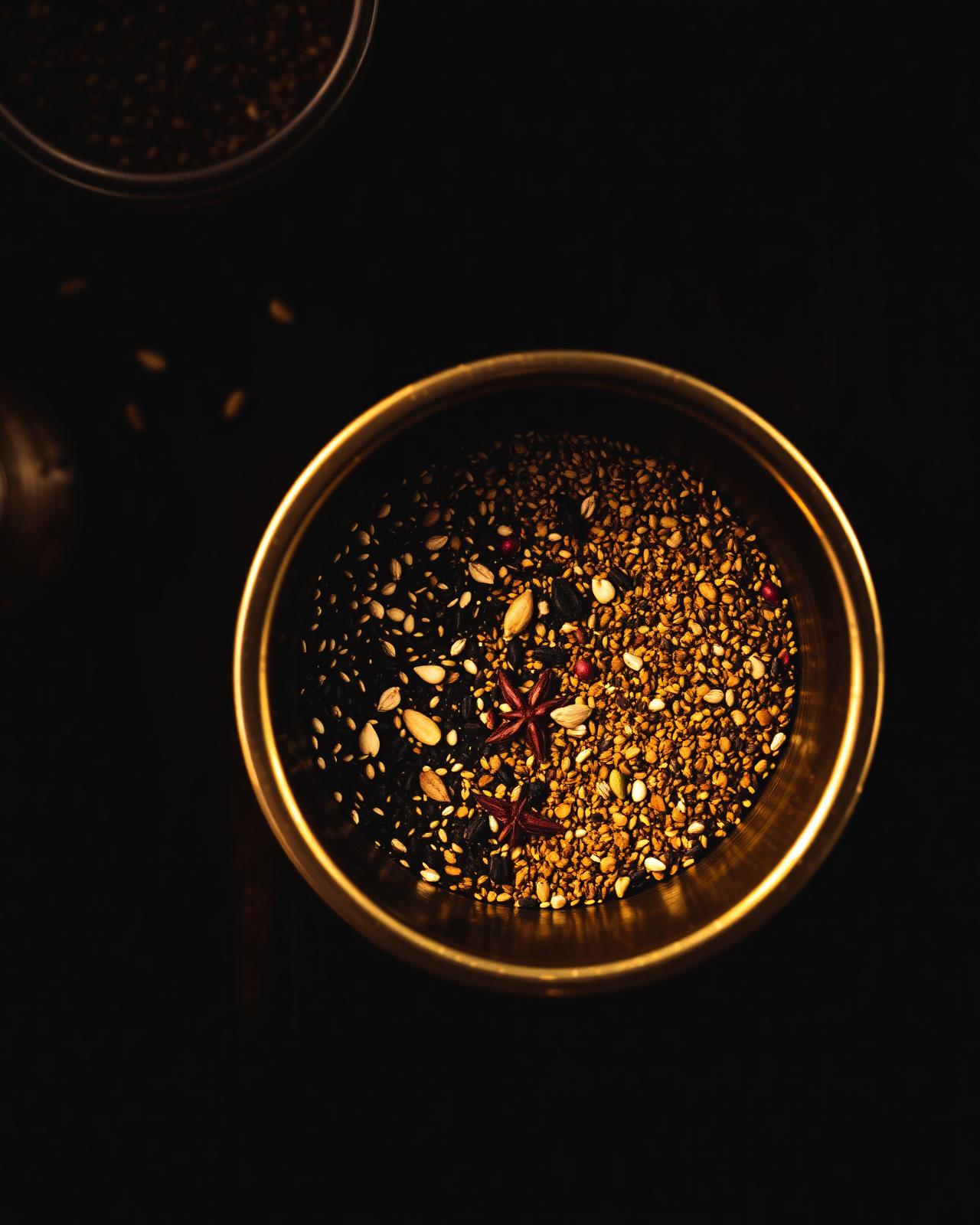
Panch phoron ("five spices" in Bengali) is the only major Indian-subcontinental spice blend that's never ground. The seeds — cumin, fennel, fenugreek, nigella and black mustard — are added whole to hot mustard oil at the start of a dish, where they pop, perfume the oil, and stay as little flavour bombs in the finished plate.
| Seed | Note in the pan |
|---|---|
| Cumin (jeera) | Earthy, warm, base note |
| Fennel (mouri) | Sweet, aniseed-cool |
| Fenugreek (methi) | Bitter, maple-syrup edge |
| Nigella (kalonji) | Oniony, smoky |
| Black mustard (sorshe) | Sharp, sinus-clearing pop |
Our blend is mixed in strict equal parts by weight in a small Dhaka workshop, and shipped whole-seed in nitrogen-flushed pouches so each component stays aromatic.
From this country
Pungent · Allyl-isothiocyanate rich · Stone-grindable
Cumin · Nigella · Fennel · Fenugreek · Black mustard — equal parts, whole
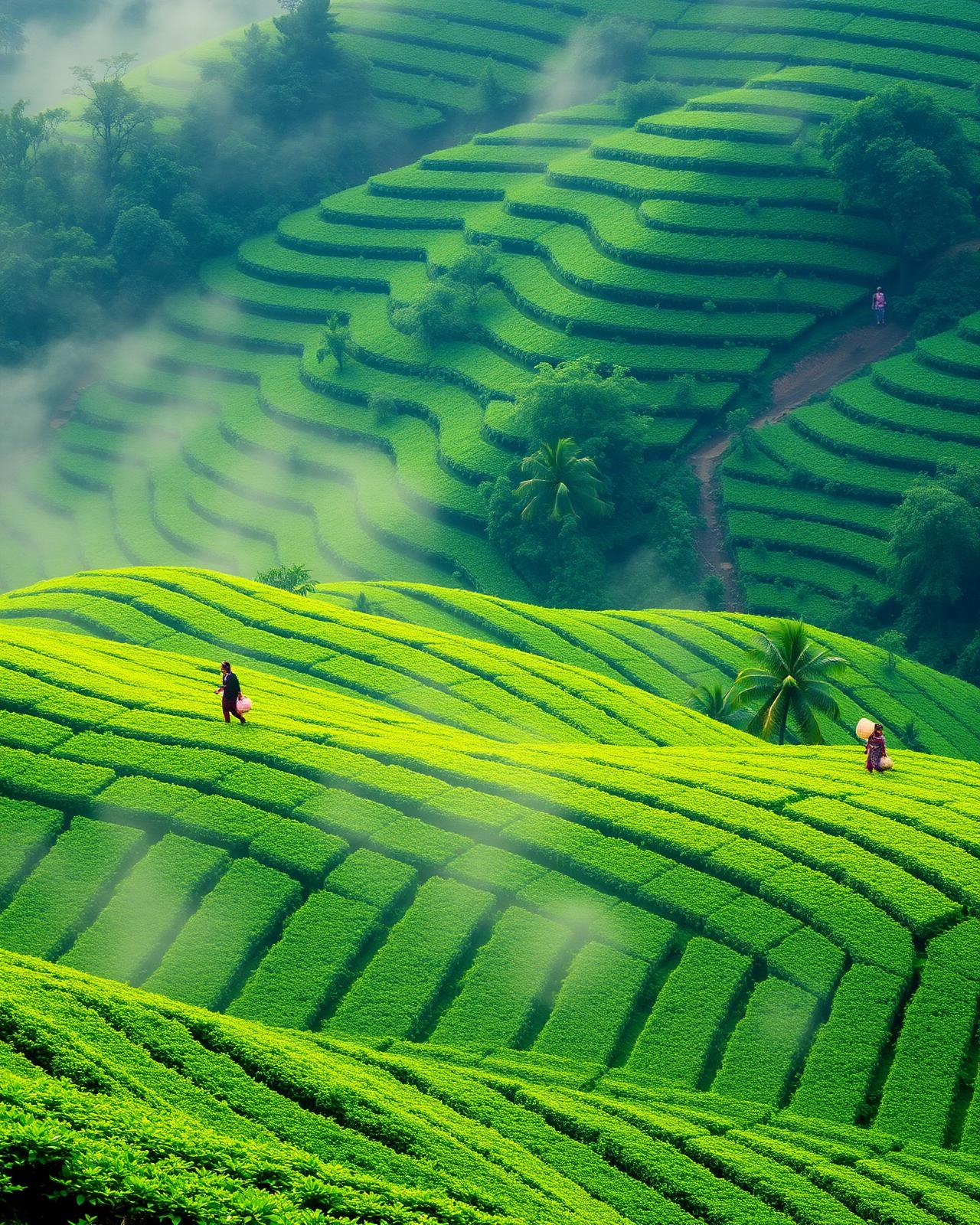
Single-estate · Whole-leaf orthodox · Bright, malty cup
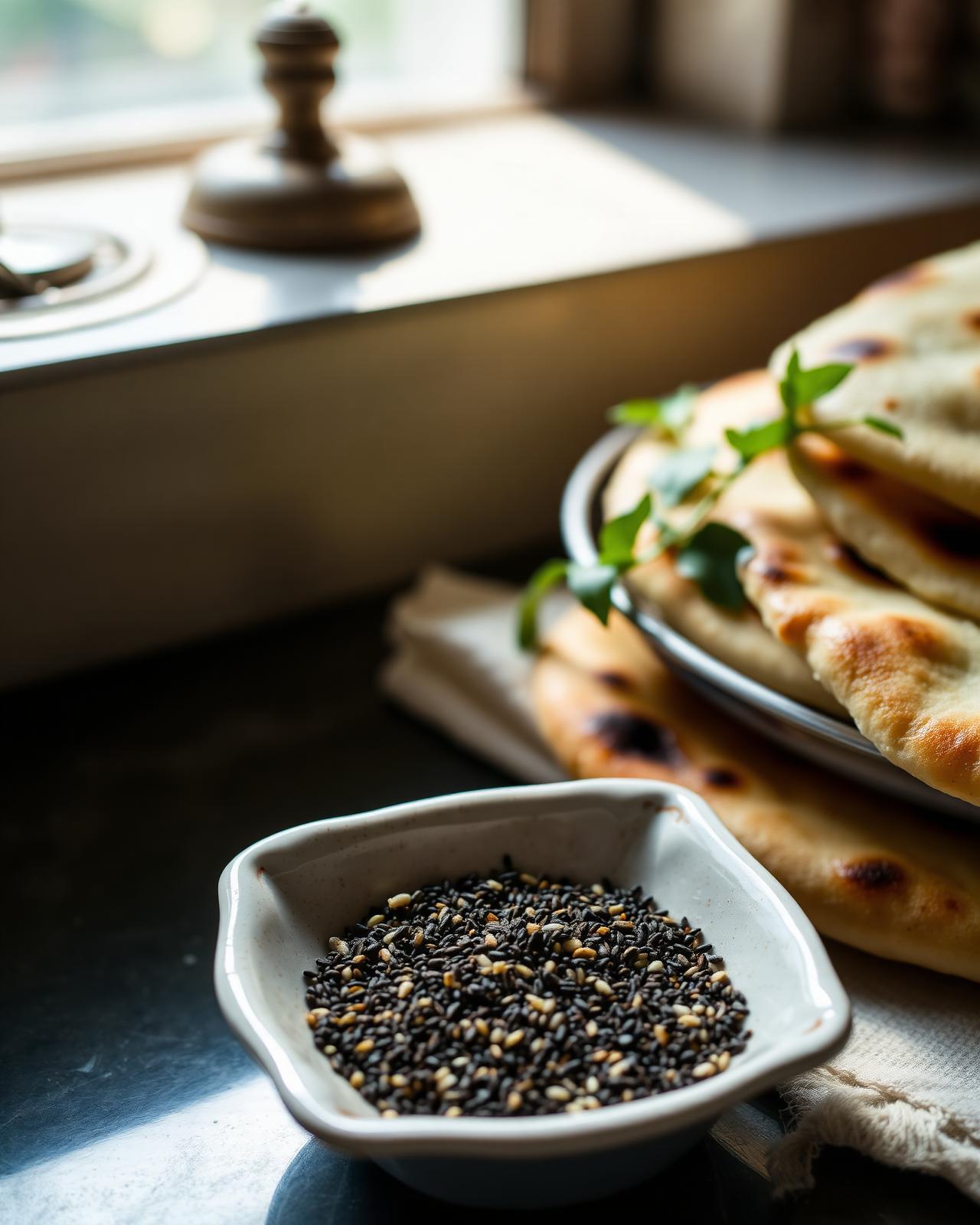
Onion-aromatic · For naan, achar & paanch phoron
Heritage rice
While the rest of the subcontinent reaches for long-grain basmati, Bengal prizes tiny, intensely perfumed short-grain rices. Kalijira grains are about a quarter the length of basmati, jet-black in their husk and milk-white once milled. A single handful perfumes a whole pot of polao.
Our Kalijira and Chinigura come from seed-saving co-operatives in Bogra and Dinajpur, milled within six weeks of harvest. No polishing chemicals, no glucose gloss — just rice the way it's been grown in Bengal for a thousand years.
Organic & ethical
Most Bangladeshi mustard and seed crops are still grown by farmers who never industrialised — no synthetic pesticides, just generations of seed-saving. Our certified-organic mustard and nigella carry the GB-ORG-05 mark; the rest are audited and lab-tested batch by batch.
We buy through grower co-operatives in Rajshahi, Bogra and Dinajpur — never through Dhaka commodity exporters. Fixed-price 12-month contracts give farmers income certainty before sowing.
Our Sylhet black tea is orthodox-rolled, not CTC. It takes four times longer to produce but keeps the whole leaf, the brightness and the malty Assamica character that powder-tea factories destroy.
"In Bengal, the spice rack is the seed drawer. Whole, sharp, alive — that's how we ship it, and that's how it should hit the pan."
— The Miss Masala sourcing team
Browse the full single-origin range, or read the next chapter of our sourcing journey.
We use cookies
Strictly-necessary cookies keep the site working. Analytics and marketing cookies are off until you opt in. See our Privacy Policy.