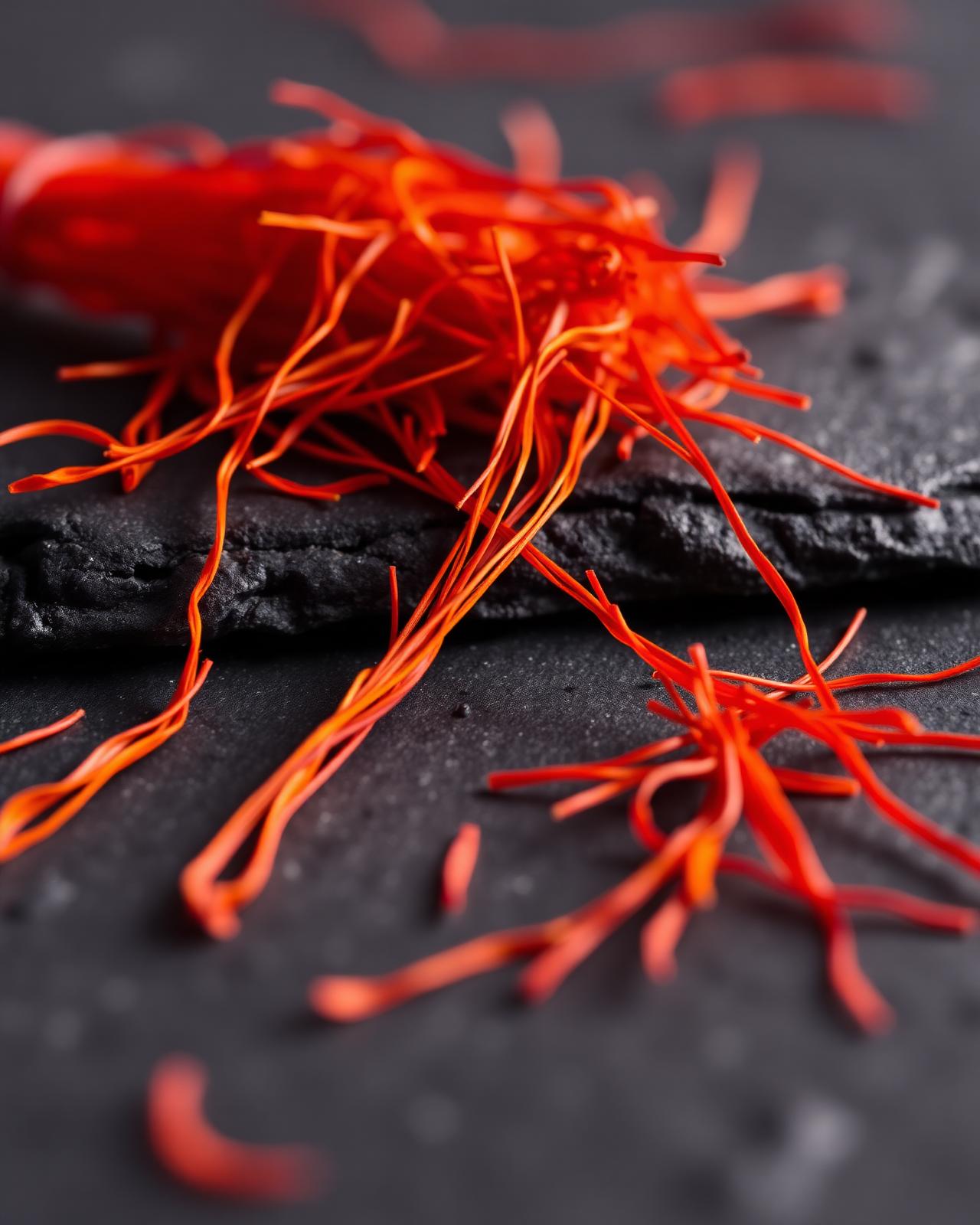
Pampore, Kashmir
Kashmir Mongra Saffron
Grade I · Crocin ≥ 250 · All-red threads, no yellow style
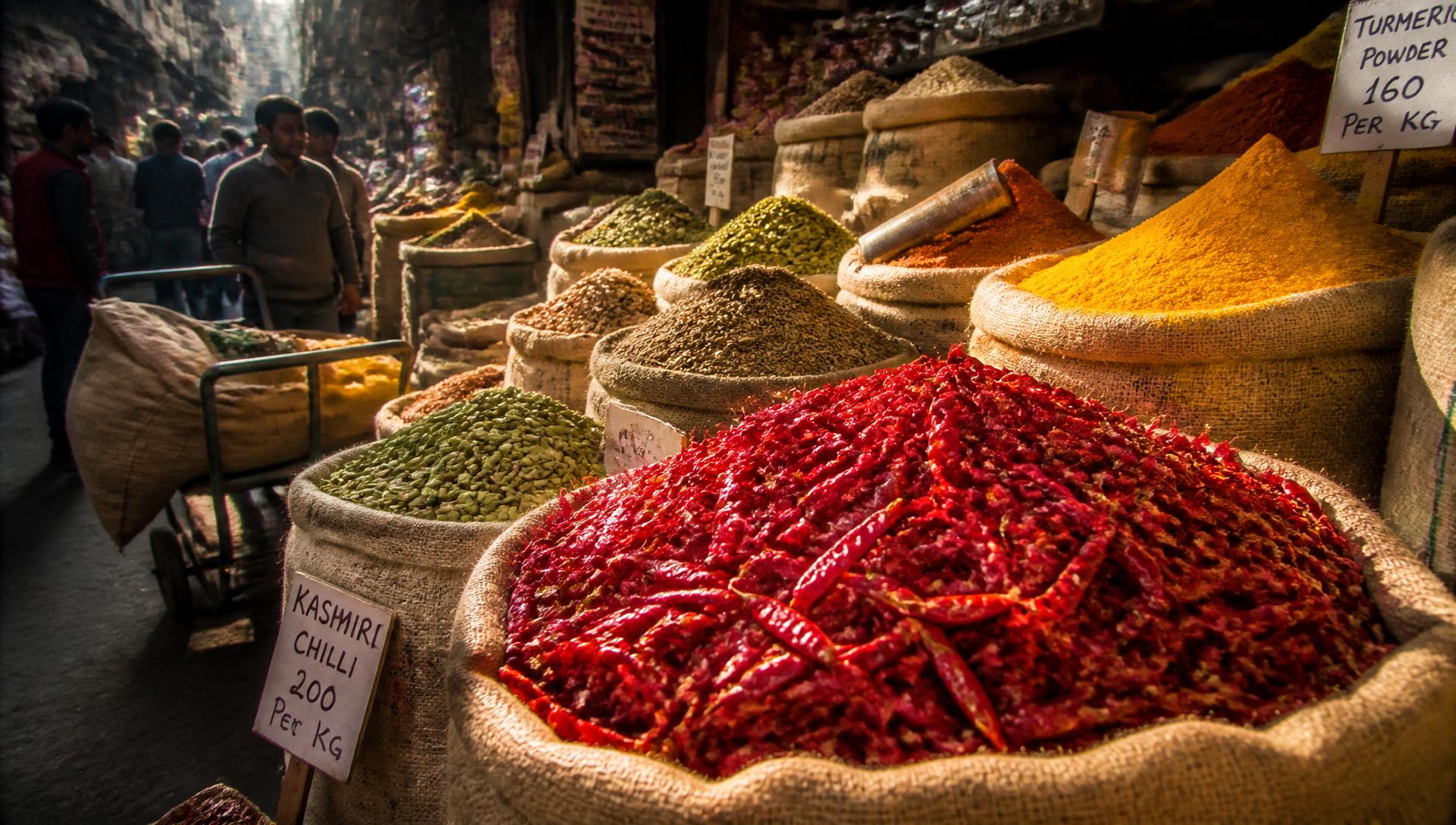
Republic of India
India grows more spice — by volume, variety and reputation — than any other country on earth. We work directly with farmers across six states to bring you the lots that don't usually leave the subcontinent.
The land of spice
For two thousand years, the question wasn't where spices came from — it was how to get to India to buy them. Phoenicians, Romans, Arabs, Portuguese, Dutch and British all built empires chasing what grew naturally between the Himalayas and the Indian Ocean: pepper that wouldn't lose its bite after a year at sea, cardamom that perfumed a whole room, turmeric that dyed silk and cured wounds.
Today India produces more than 75 different spices and supplies nearly half of the world's total spice trade. But the best lots — the GI-tagged Mongra saffron, the bold Tellicherry pepper, the high-curcumin Erode turmeric — rarely leave the country. We've spent years building direct relationships with the co-operatives that grow them.
Where we source
India is a continent disguised as a country. From Himalayan plateaus to tropical coastlines, each growing region brings its own micro-climate, soil chemistry and centuries-old processing tradition.
Mongra saffron, Kashmiri chili, dry ginger (saunth)
The karewa plateaus of Pampore produce the world's most prized saffron — long, deep-crimson Mongra threads with the highest crocin (colour) and safranal (aroma) ratings of any growing region on earth.
Tellicherry black pepper, green cardamom, cloves, nutmeg
The original Spice Coast. Monsoon-fed slopes between 600–1,200m grow the bold, fruity Tellicherry pepper that Roman traders sailed across oceans for — and the small-pod Idukki cardamom that perfumes a billion cups of chai.
Alleppey turmeric, dried red chili, fenugreek
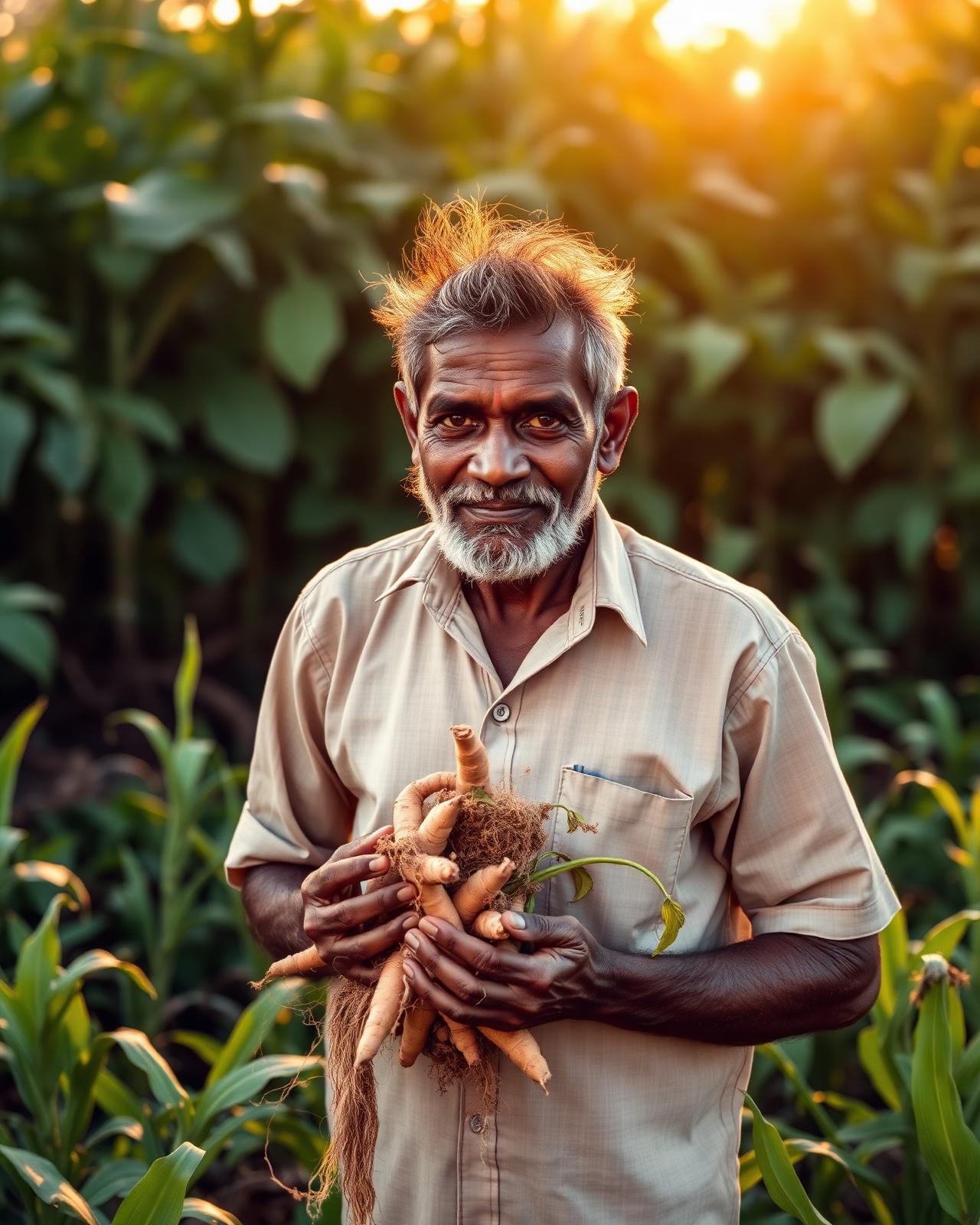
Erode's red loamy soil and 11-month rotation produce turmeric with curcumin content above 4% — twice the global average. Our partner co-operatives sun-cure for 14 days before polishing.
Cumin, coriander, fennel, ajwain, asafoetida (hing)
Unjha is the world's largest cumin market. Dry winters and mineral-rich soil give Gujarat cumin its sweet, almost lemon-pine aroma. Hing is processed in Jodhpur using the original Mughal-era technique.
Byadgi chili, coorg cardamom, wild peppercorns
Byadgi chilies are the secret behind a true red Mangalorean curry — deep colour, smoky-sweet flavour, almost no heat. Grown under canopy forest by smallholder farmers near Hubli.
Guntur Sannam chili, mustard seed, turmeric
If you've ever wondered where serious heat comes from — it's Guntur. The Sannam S4 variety hits 35,000–40,000 SHU and accounts for nearly a third of India's total chili export.
From this country
Grade I · Crocin ≥ 250 · All-red threads, no yellow style
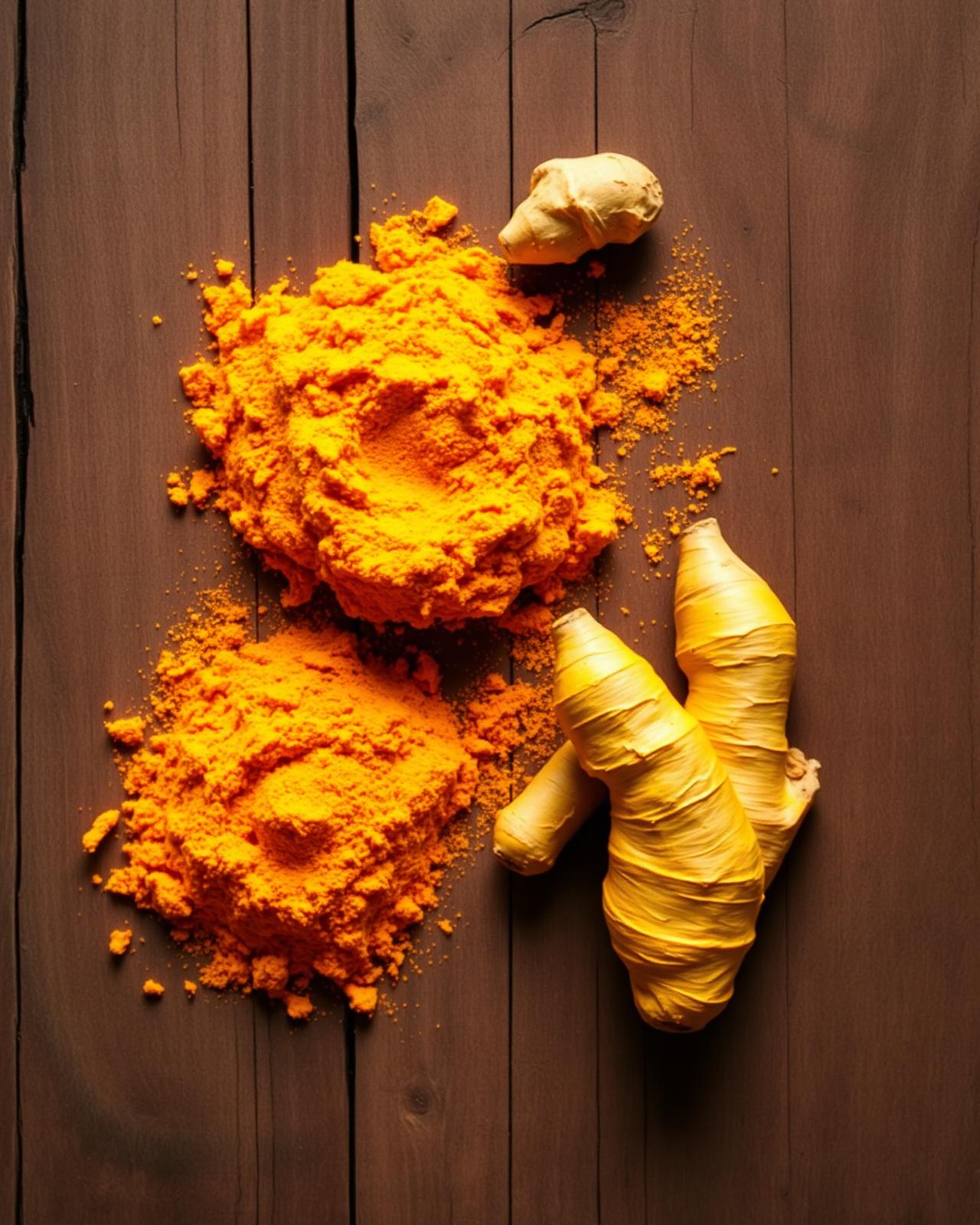
Curcumin ≥ 4.5% · Polished finger turmeric, single-pass milled
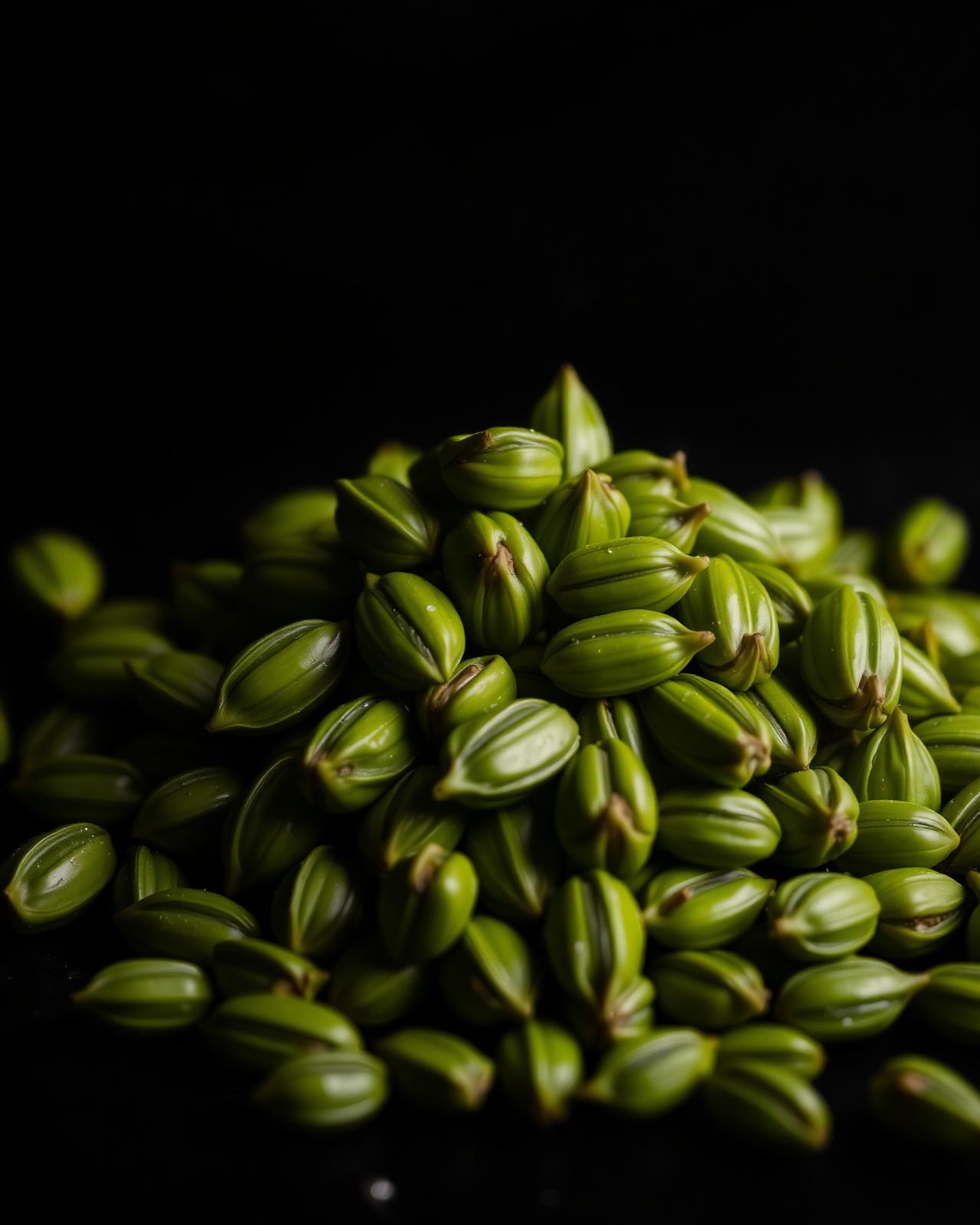
8mm bold pods · Sun-cured · ≥3% volatile oil
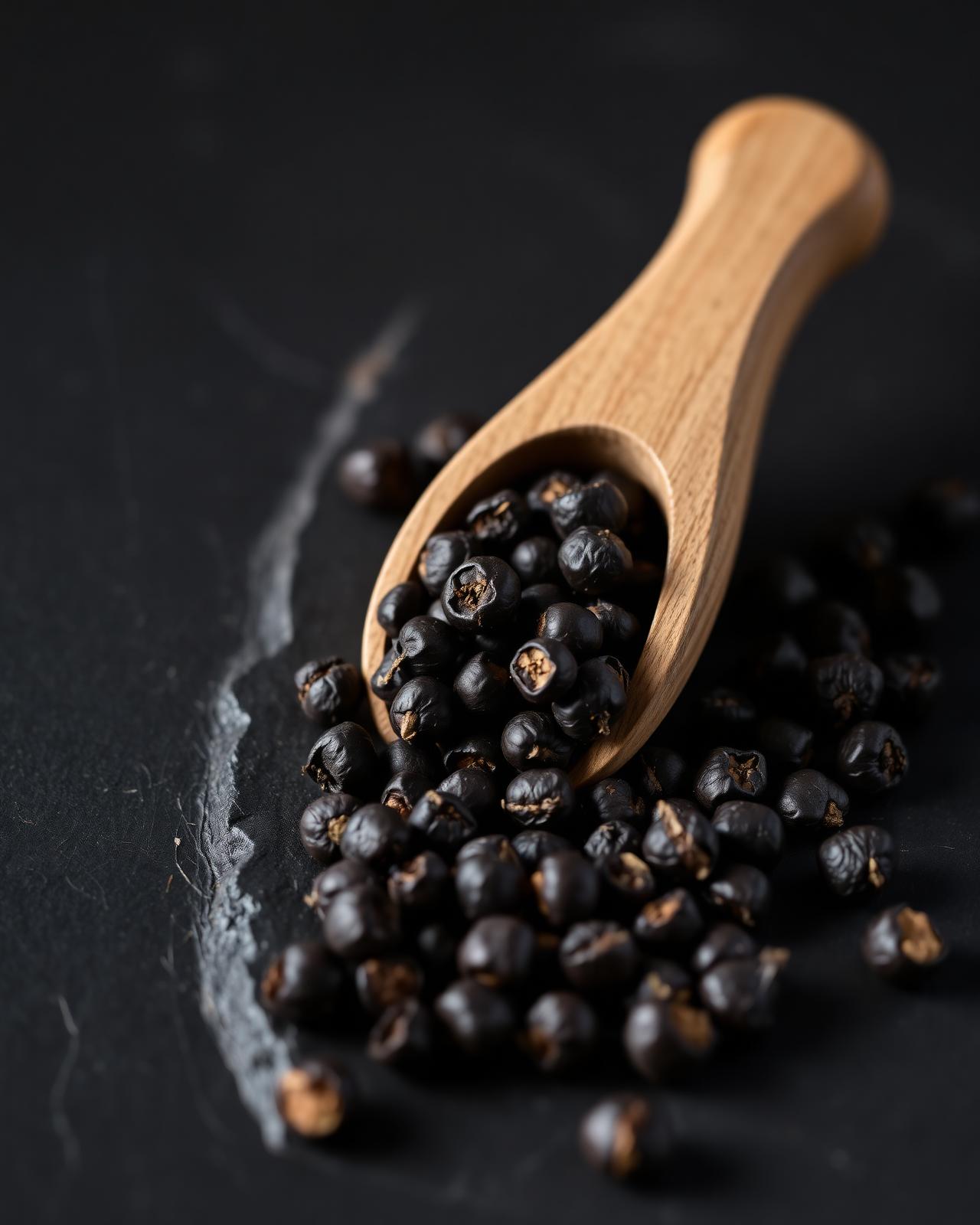
TGSEB grade · 4.5mm+ berries · Vine-ripened
What makes India different
India holds GI (Geographical Indication) status on more spices than anywhere else: Kashmir Saffron, Malabar Pepper, Byadgi Chilli, Guntur Sannam, Alleppey Turmeric and Coorg Cardamom. We source the GI-tagged lot wherever it exists.
All our Indian partners are registered with the Spices Board of India (SBI) and audited annually. Every export consignment carries a Certificate of Origin and a Quality Evaluation Certificate that we publish on request.
Turmeric, fenugreek, black pepper and cardamom aren't just ingredients in India — they're a 3,000-year-old pharmacy. We choose lots tested for active compounds (curcumin, piperine, eugenol), not just appearance.
Organic & ethical
Our turmeric, chili and cardamom carry both India Organic (NPOP) and EU/UK organic certification. We work with co-operatives in Kerala and Tamil Nadu that have farmed without synthetics for three generations.
We pay 15–25% above the Spices Board minimum and sign annual fixed-price contracts. The premium goes to the grower, not a middleman — and we publish our purchase prices on every product page.
ETO (ethylene oxide) gas and gamma irradiation are common in commodity Indian spice but both destroy aroma. We use steam sterilisation only — slower, more expensive, lets the volatile oils survive.
"In India, spice isn't a flavour you add at the end. It's where the dish begins — and the farmer who grew it should be the first person you can name."
— The Miss Masala sourcing team
Browse the full single-origin range, or explore the next country on our route.
We use cookies
Strictly-necessary cookies keep the site working. Analytics and marketing cookies are off until you opt in. See our Privacy Policy.