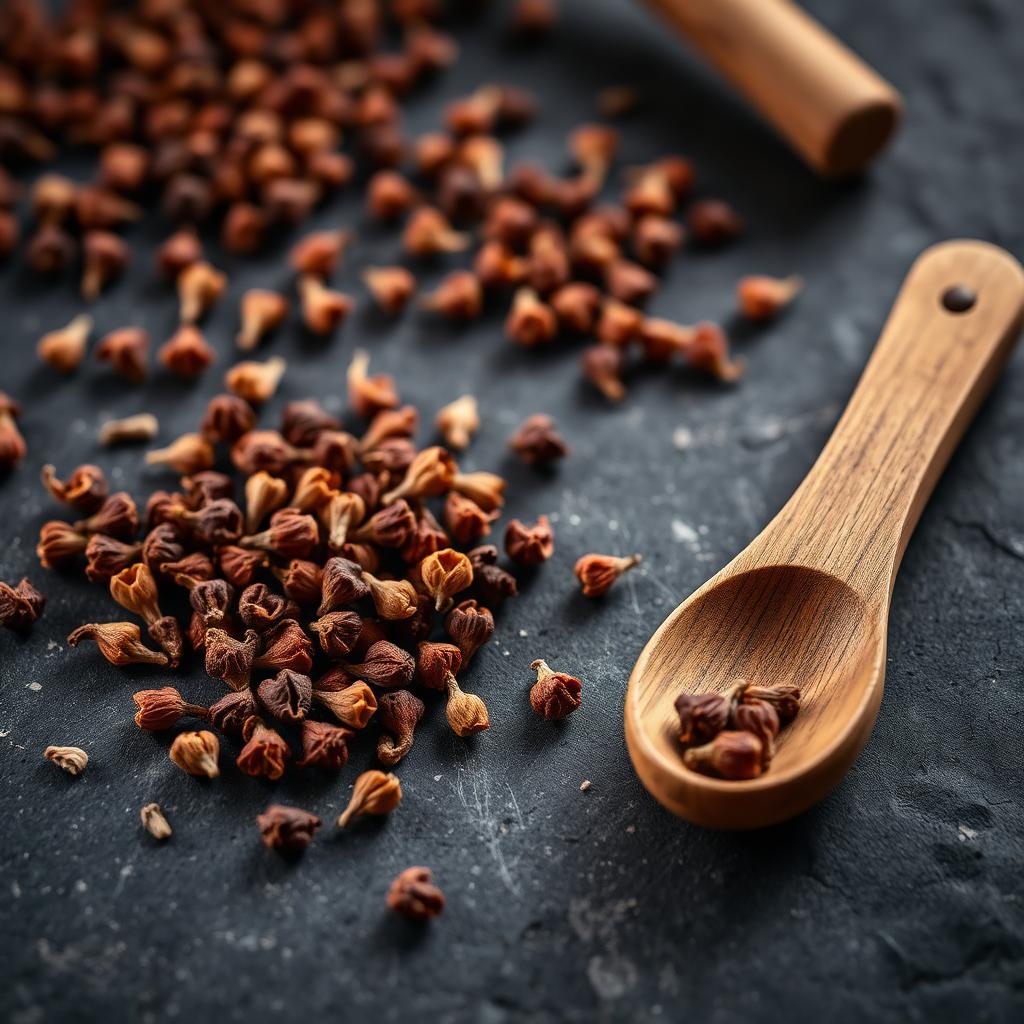
Mustang, Trans-Himalaya
Wild Mustang Timur
Foraged wild · ≥4% volatile oil · Bright citrus tingle (no Sichuan substitute)
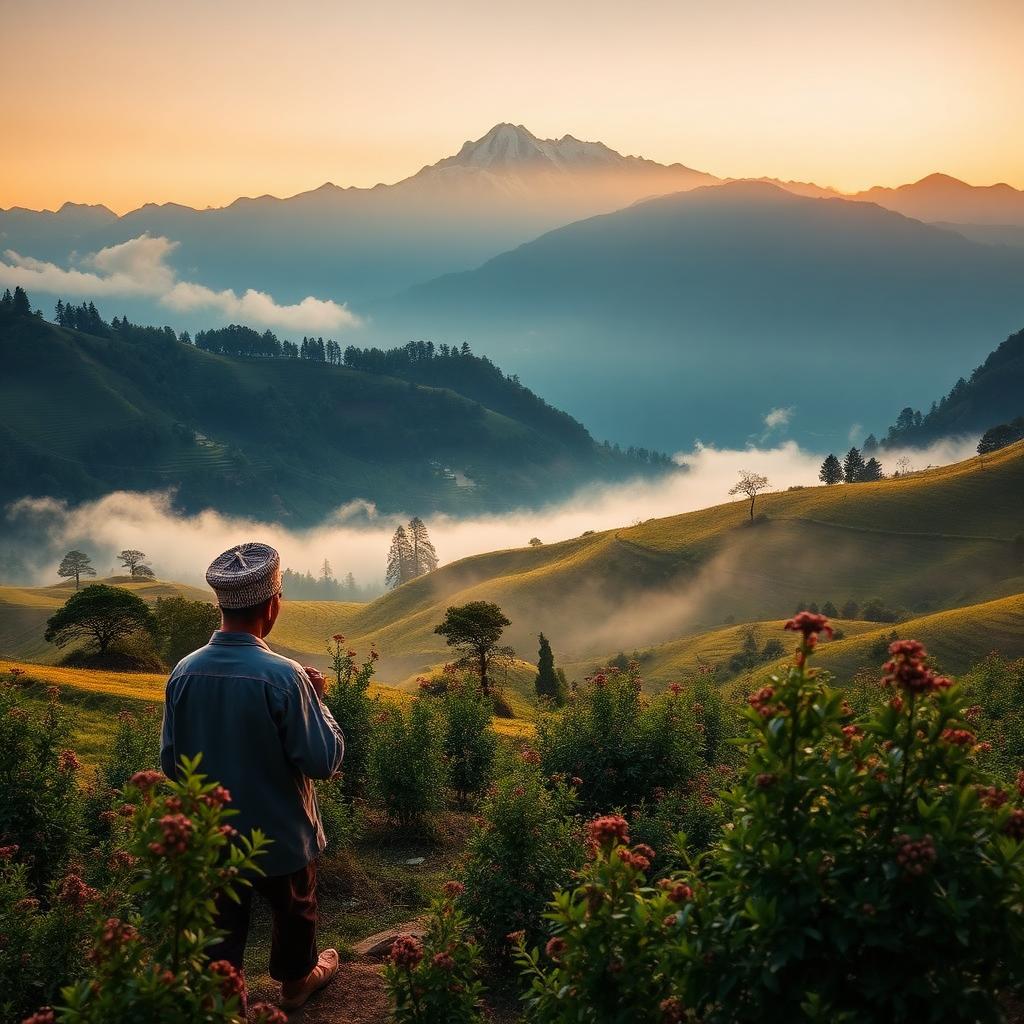
Federal Democratic Republic of Nepal
Nepal isn't a volume origin — it's a rarity origin. Smoked black cardamom, wild timur pepper and the Himalayan herb jimbu grow at altitudes nothing else can reach. We source them direct from cooperatives in Ilam, Mustang and the Everest foothills.
A vertical pantry
Most of South Asia's spices come from plains and deltas. Nepal's come from the climb. In the space of 150 horizontal kilometres the land rises from the steamy Terai to the summit of Everest — and each elevation band grows something different. Ginger and turmeric in the lowlands. Tea and cardamom in the misted mid-hills. Wild timur in the high passes. Jimbu and dalle chili in the alpine meadows above the treeline.
Because the harvest is vertical, it's also small. A single Ilam farmer might cure 200 kg of black cardamom in a season. A Mustang forager might bring back 30 kg of timur in a year. We don't try to consolidate — we list each lot by farm, kiln and harvest date so the rarity stays visible on the label.
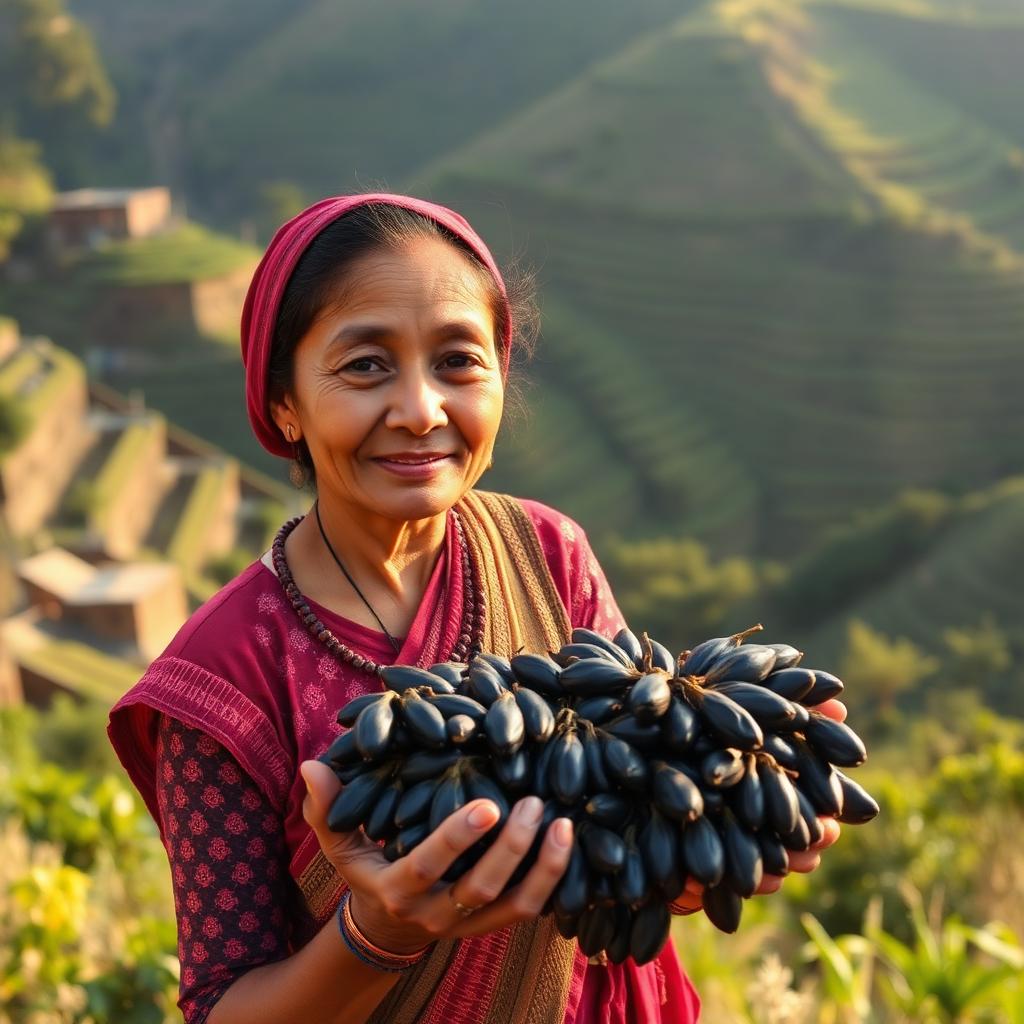
Where we source
Each region has its own climate window, its own crop and its own technique. Nothing here is interchangeable.
Large black cardamom (alaichi), broken-leaf tea, Sichuan-grade timur
Tucked against the Sikkim border at 1,400–2,200 m, Ilam supplies more than 60% of the world's large black cardamom. Pods are dried over slow wood-fires in traditional bhatti kilns, which gives them their signature smoke and the deep camphor note that defines a proper Nepali bhuteko masu.
Wild timur (Zanthoxylum armatum), Himalayan rock salt, dried mountain herbs
The rain-shadow valleys beyond the Annapurna massif sit above 3,000 m. The timur that grows here is genuinely wild — foraged from rocky slopes, not cultivated — and carries a brighter grapefruit-citrus tingle than any commercial Sichuan pepper.
Jimbu (Himalayan aromatic chive), wild garlic, dalle khursani chili
Jimbu grows only above 3,000 m in the alpine meadows below Everest and Gauri Shankar. It's hand-harvested, sun-dried on stone roofs and used as the foundational tempering herb in Sherpa and Thakali kitchens — a Nepali bay leaf with the punch of chive.
Akabare chili, fermented gundruk, mustard, ginger
Cherry-shaped akabare khursani is geographically unique to these eastern mid-hills — sweet, fruity, with measured heat around 100,000–250,000 SHU. It carries Nepal's first GI tag for a chili and is the soul of Newari pickle.
From this country
Foraged wild · ≥4% volatile oil · Bright citrus tingle (no Sichuan substitute)
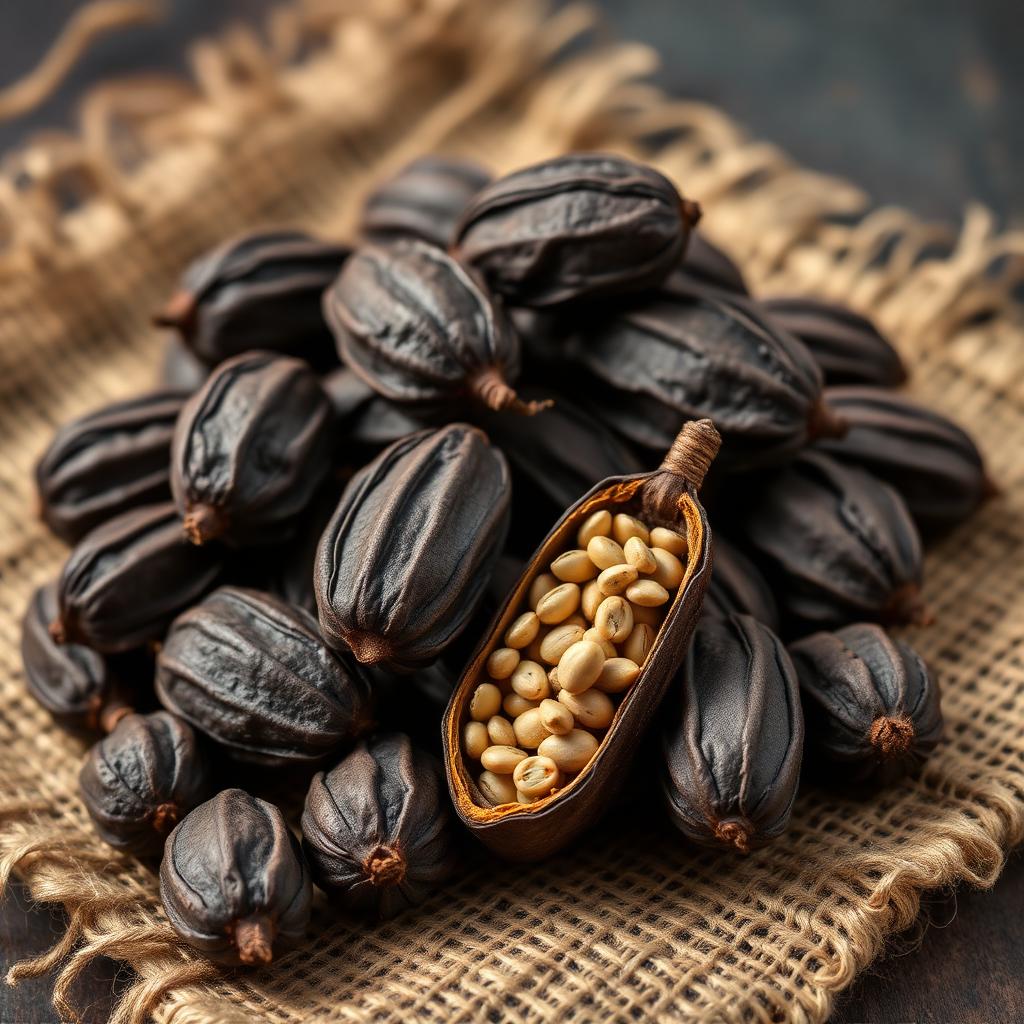
Bhatti-smoked over alder wood · Whole AAA-grade pods · 1.5–2.5 cm
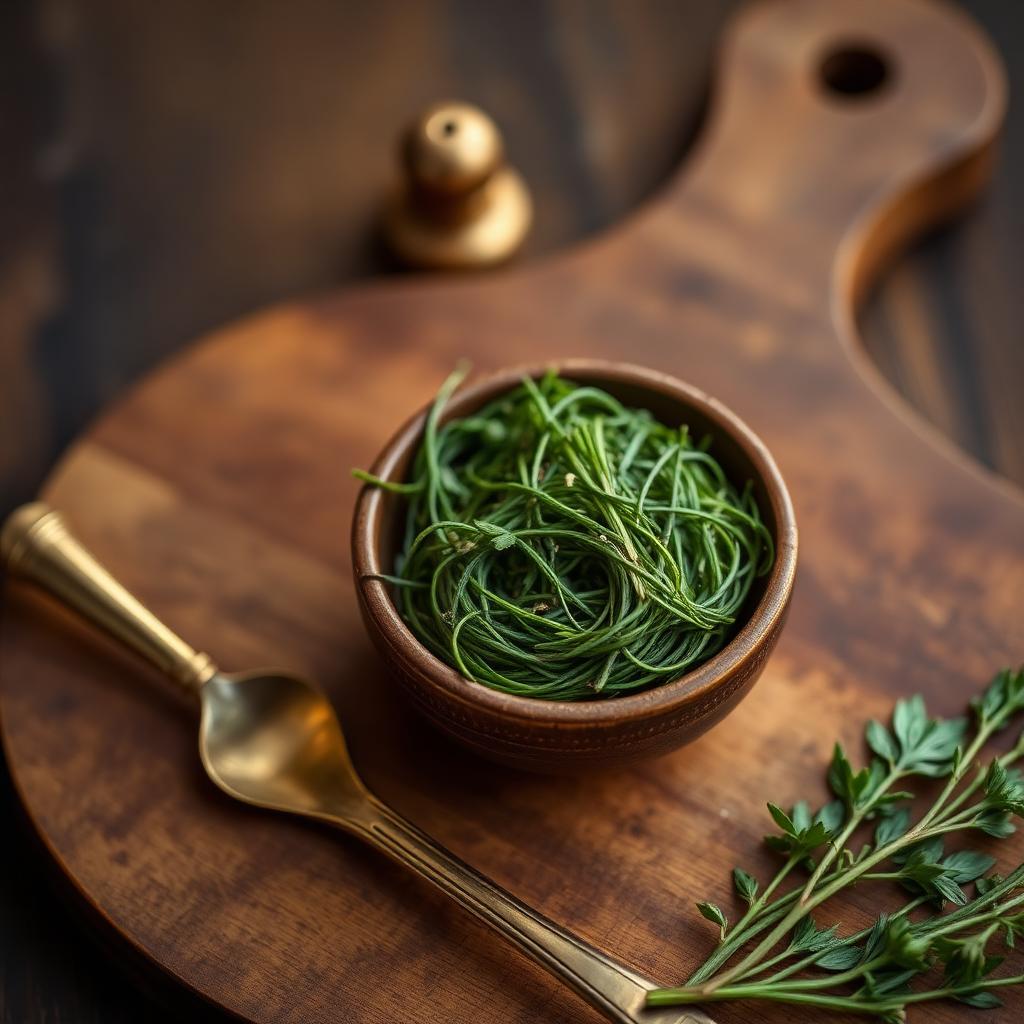
Wild-harvested at 3,000 m+ · Sun-dried · Sherpa-staple tempering herb
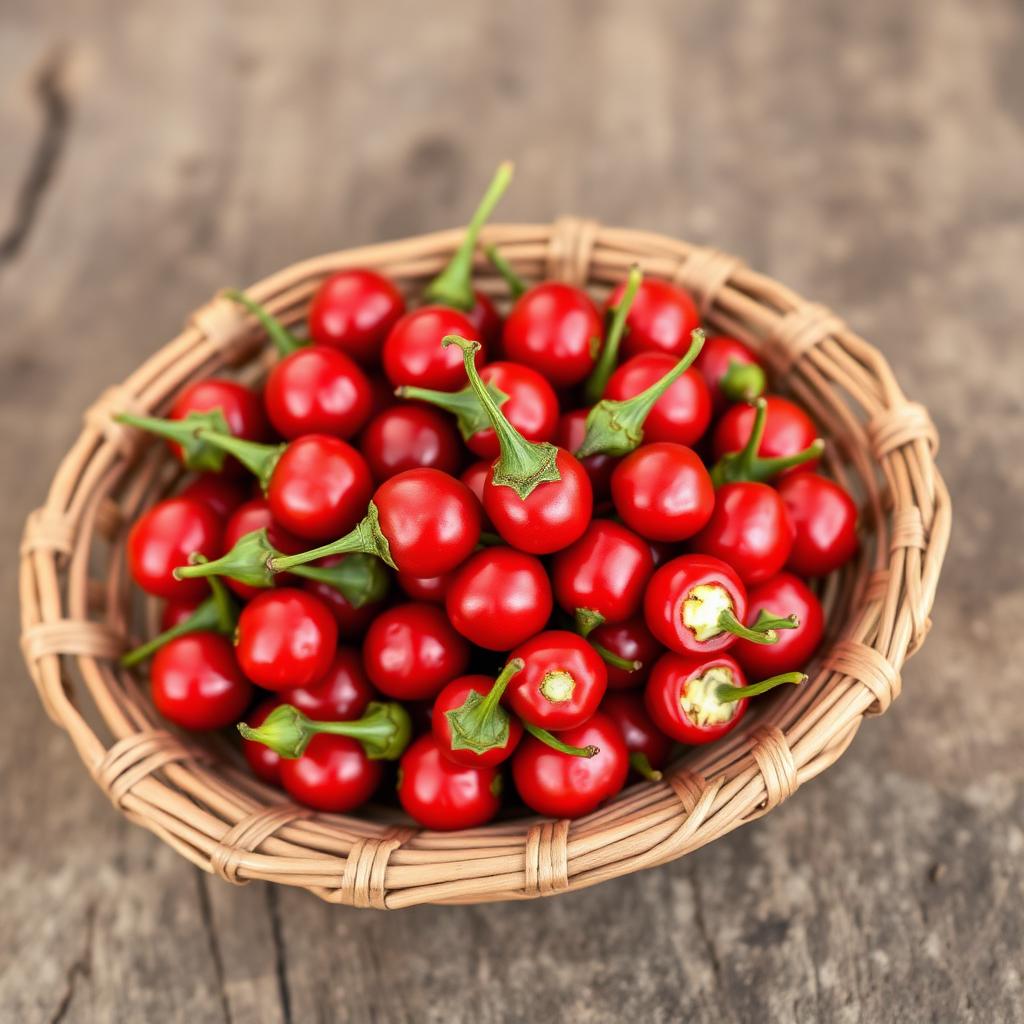
Nepal GI-tagged variety · 100k–250k SHU · Fruity, vivid red, low bitterness
Cook's reference
Both belong to the Zanthoxylum family but they're different species growing thousands of kilometres apart. If a recipe calls for "Nepali timur" and you use Chinese huājiāo, you'll miss the citrus and over-shoot the numbness.
| Trait | Nepali Timur | Sichuan Pepper (Huājiāo) |
|---|---|---|
| Species | Zanthoxylum armatum | Zanthoxylum bungeanum / simulans |
| Altitude grown | 1,500 – 3,500 m, mostly wild-foraged | 1,200 – 2,500 m, cultivated |
| Aroma | Bright grapefruit, lime peel, pine | Floral, woody, faint anise |
| Mouthfeel | Tingle + warmth, less numbing | Strong málà numbing buzz |
| Best for | Momo achar, alu sandeko, chutneys, finishing oils | Mapo tofu, dry-fry beef, hot pot |
Organic & ethical
Mustang timur and Solukhumbu jimbu are foraged from the wild — there are no pesticides at 3,000 m. Ilam cardamom is grown under shade in mixed agroforestry plots; we publish residue-free lab reports per lot.
We work with grower cooperatives in Ilam and Dhankuta on multi-season contracts, paying 30% before the harvest. That stops middlemen from squeezing growers during the curing weeks when cash is tight.
Because Nepal volumes are small and the volatile oils in timur and jimbu fade with time, we air-freight from Kathmandu rather than consolidating into sea containers. Faster journey, sharper aroma.
"In Nepal, the best spices don't come from the biggest farms. They come from the hardest walks. Our job is to make sure that effort reaches the right kitchen."
— The Miss Masala sourcing team
Single-origin timur, smoked black cardamom and rare alpine herbs — shipped UK-wide.
We use cookies
Strictly-necessary cookies keep the site working. Analytics and marketing cookies are off until you opt in. See our Privacy Policy.