Galle, Southern Province
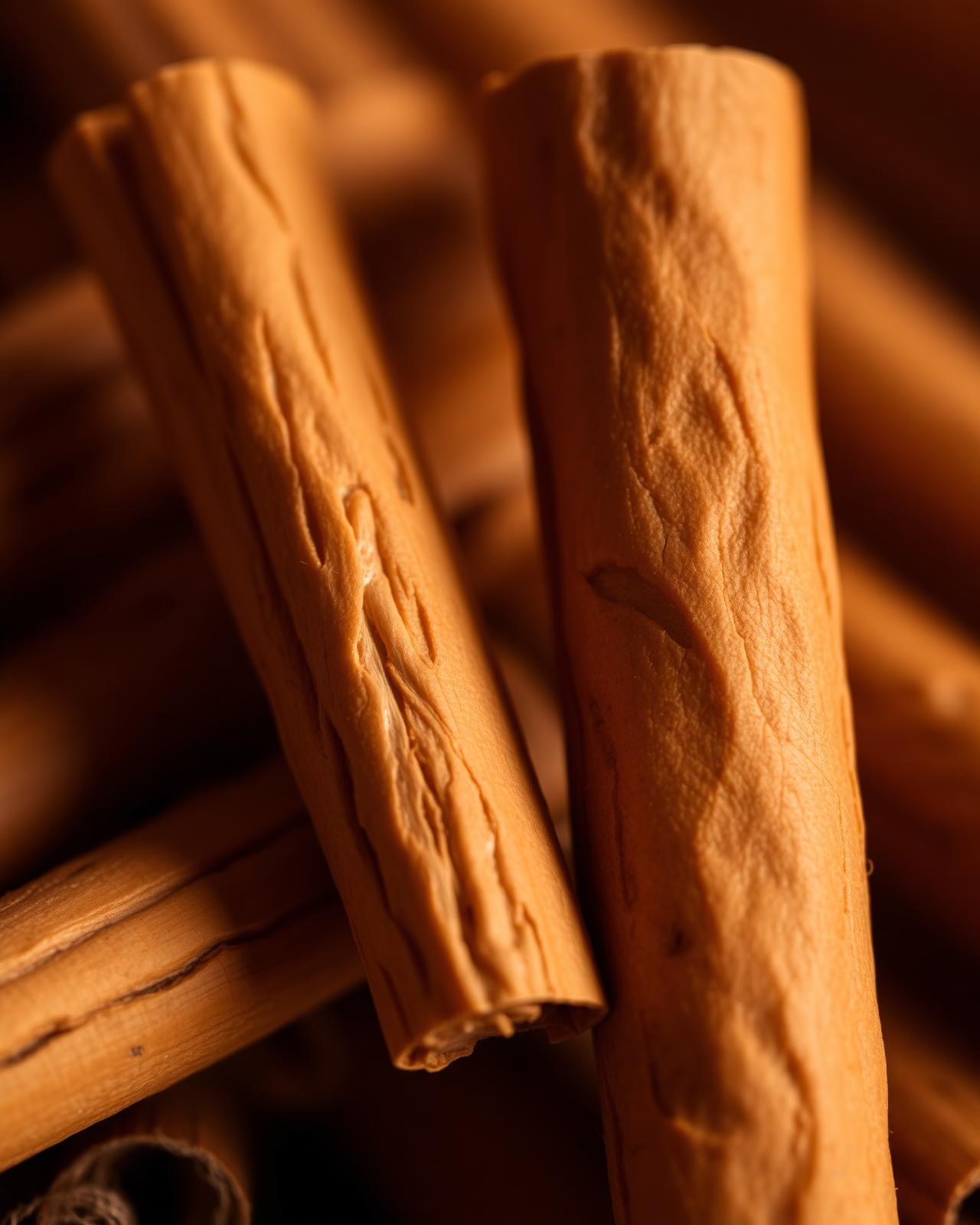
True Ceylon Cinnamon Quills — ALBA Grade
Cinnamomum verum · Coumarin < 0.004% · 6mm hand-rolled quills
Democratic Socialist Republic of Sri Lanka
Sri Lanka is the original 'Spice Island' the Portuguese, Dutch and British went to war over. Today Miss Masala works directly with smallholder gardens across four provinces to bring you true Ceylon cinnamon, hill-grown pepper, rainforest cloves and the dark, slow-roasted curry blends that define Sri Lankan cooking.
2,000 years of spice trade
Roman traders called it Taprobane and paid in gold for its cinnamon. By the 1500s the Portuguese had built fortresses around it; the Dutch displaced them for the cinnamon monopoly; the British finally took the island in 1815 and made 'Ceylon' synonymous with the world's finest tea, pepper and bark. The reason was simple — and still is. True cinnamon (Cinnamomum verum) grows nowhere else as well as it does in Sri Lanka's southern wet belt.
That matters today because most 'cinnamon' on UK supermarket shelves isn't cinnamon at all — it's cassia (Cinnamomum cassia), a coarser, cheaper Chinese bark high in coumarin, a compound the EFSA flags for liver toxicity at high intakes. Miss Masala only ships true Ceylon cinnamon. We test every lot and publish the coumarin reading — always below 0.004%, against cassia's typical 5%.
Know the difference
The two are sold under the same name on UK shelves but they are different plants with different chemistry. Here's the side-by-side our buyers use.
| Trait | True Ceylon (Cinnamomum verum) | Cassia (Cinnamomum cassia) |
|---|---|---|
| Origin | Sri Lanka, southern belt | China, Indonesia, Vietnam |
| Bark | Soft, thin, multi-layer scroll | Hard, thick, single curl |
| Colour | Pale tan / amber | Deep red-brown |
| Flavour | Sweet, citrus, delicate | Strong, hot, woody |
| Coumarin | < 0.004% (safe daily use) | 5–12% (EFSA TDI: 0.1mg/kg) |
| Best for | Desserts, milk, mulled wine, tea | Heavy stews, baking masks |
Source: EFSA Scientific Opinion on coumarin (EFSA Journal 2008/9). Our coumarin readings are from accredited UK lab tests on each shipment — request the certificate with any wholesale order from our trade portal.
Where we source
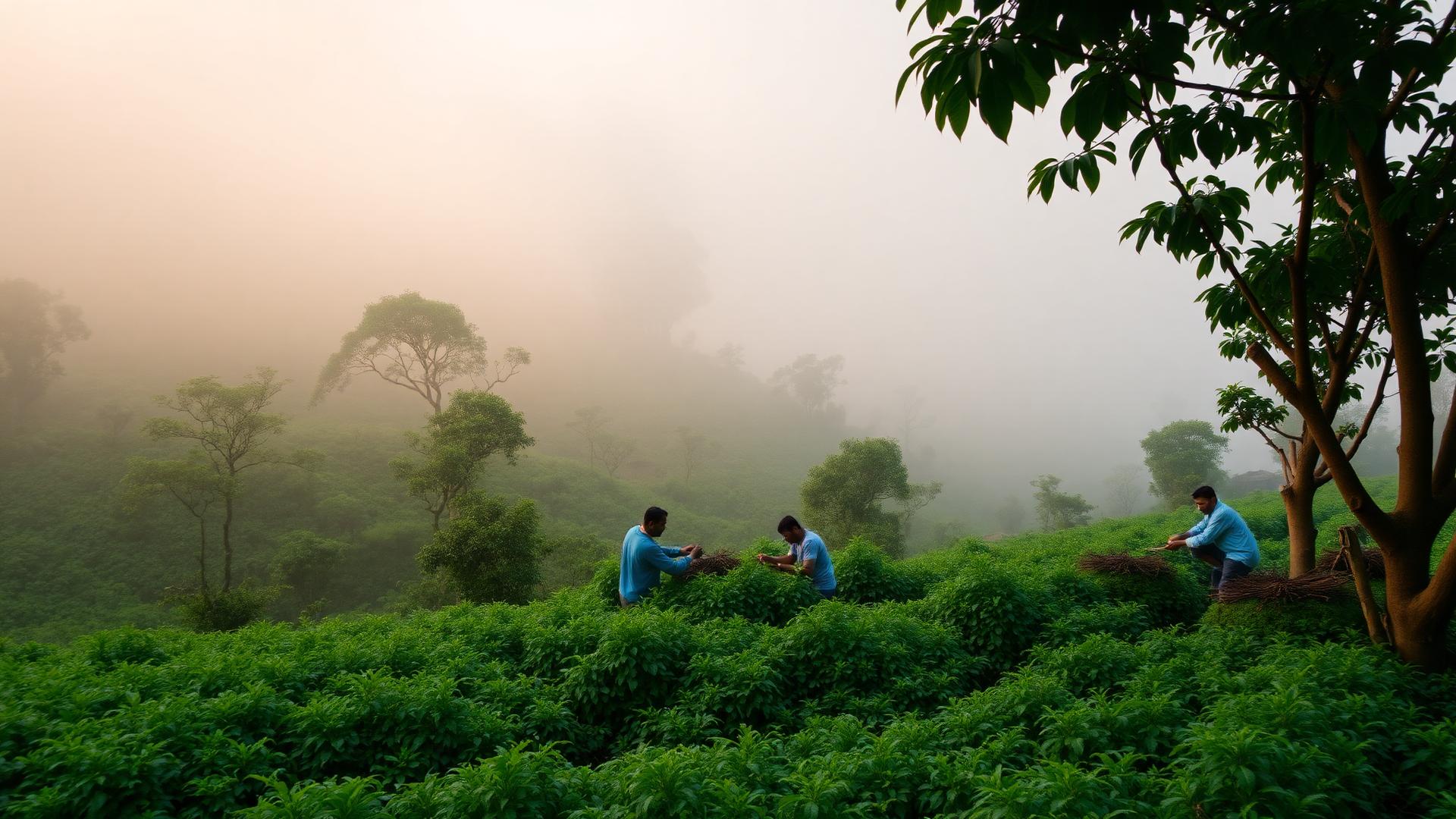
Sri Lanka is smaller than Ireland but climbs from sea-level coconut groves to 2,500-metre tea hills in under 100 miles. That vertical range is why such a small country produces such wildly different spices.
True Ceylon cinnamon (Cinnamomum verum), citronella
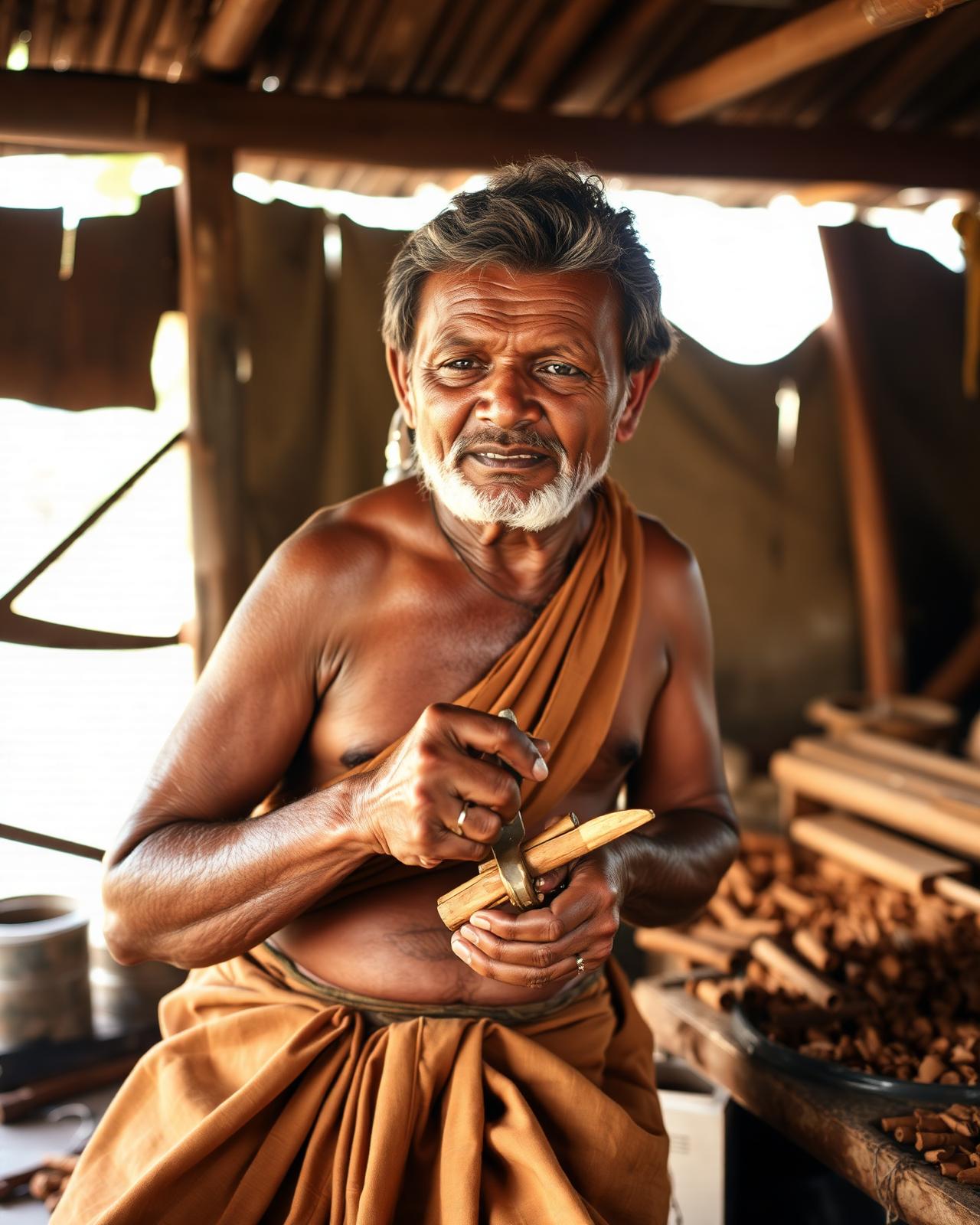
The low-country wet zone south of Colombo is the world's only home of true Ceylon cinnamon. Coastal humidity and red-loam soil grow the soft, paper-thin bark that hand-peelers (kurundu kappannas) roll into pale-amber quills — sweet, citrusy and low in coumarin.
Black pepper, nutmeg, mace, turmeric
The Matale spice gardens above Kandy are Sri Lanka's signature smallholder landscape — pepper vines climbing jak trees, nutmeg ripening in dappled shade. Hill-grown pepper here carries a bright, lemony top-note that estate-grown pepper rarely matches.
Cloves, cardamom, vanilla
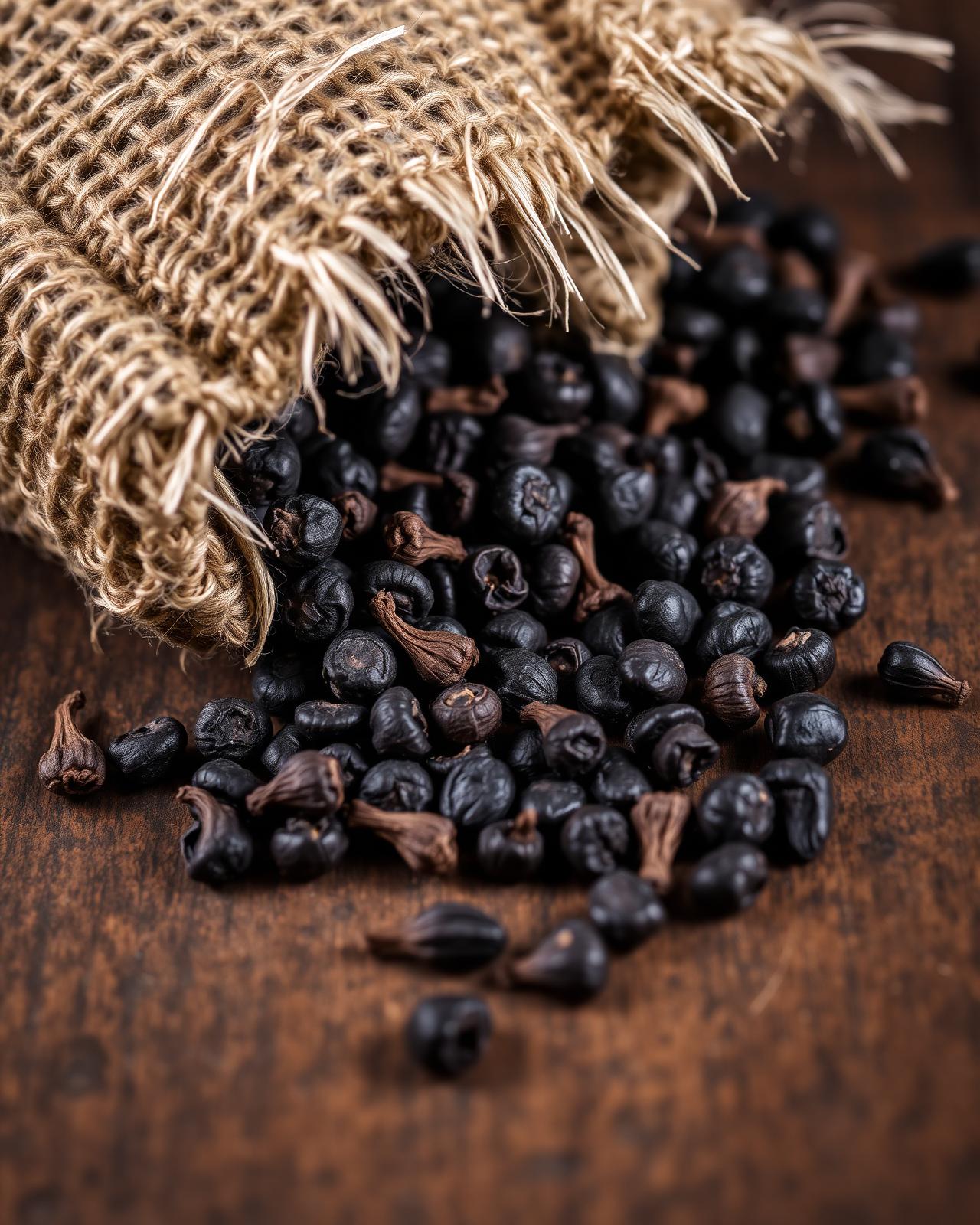
Hand-picked under the canopy of UNESCO-listed Sinharaja rainforest, our cloves are still moist and oil-heavy at packing — you can smell the eugenol from a metre away. Green cardamom from the same belt is intensely floral.
Dark-roasted curry blends, lemongrass, pandan, cumin
The Sinhalese 'thuna paha' tradition belongs to Uva: whole spices dry-roasted until mahogany dark, then stone-ground. The result is the deep, smoky, almost-bitter curry powder that defines Sri Lankan beef and black-pork curries.
From this country
Cinnamomum verum · Coumarin < 0.004% · 6mm hand-rolled quills
Single-estate · 550 g/l bulk density · Bright citrus finish
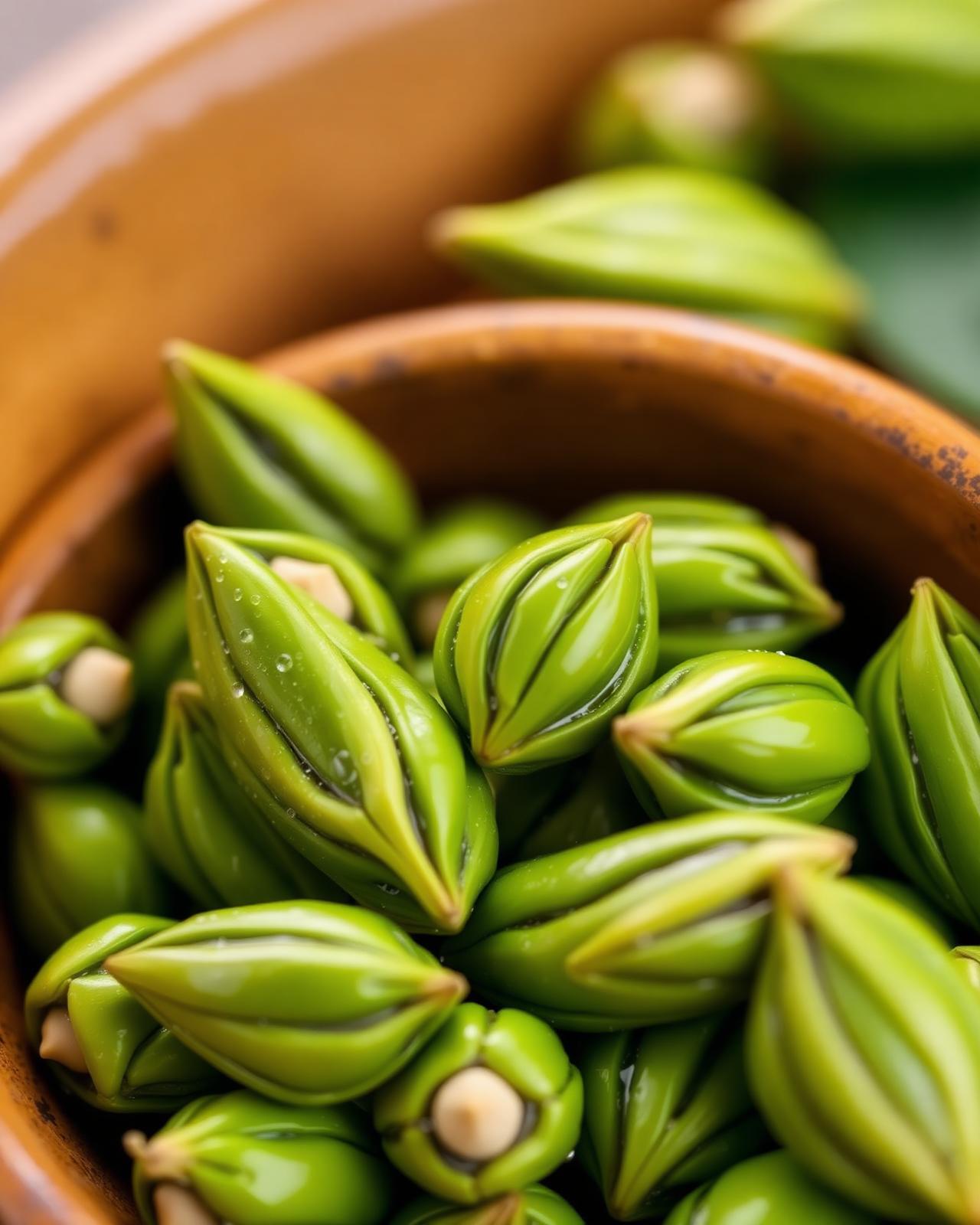
Hand-picked, shade-dried · Eugenol ≥ 15% · Moist & oily
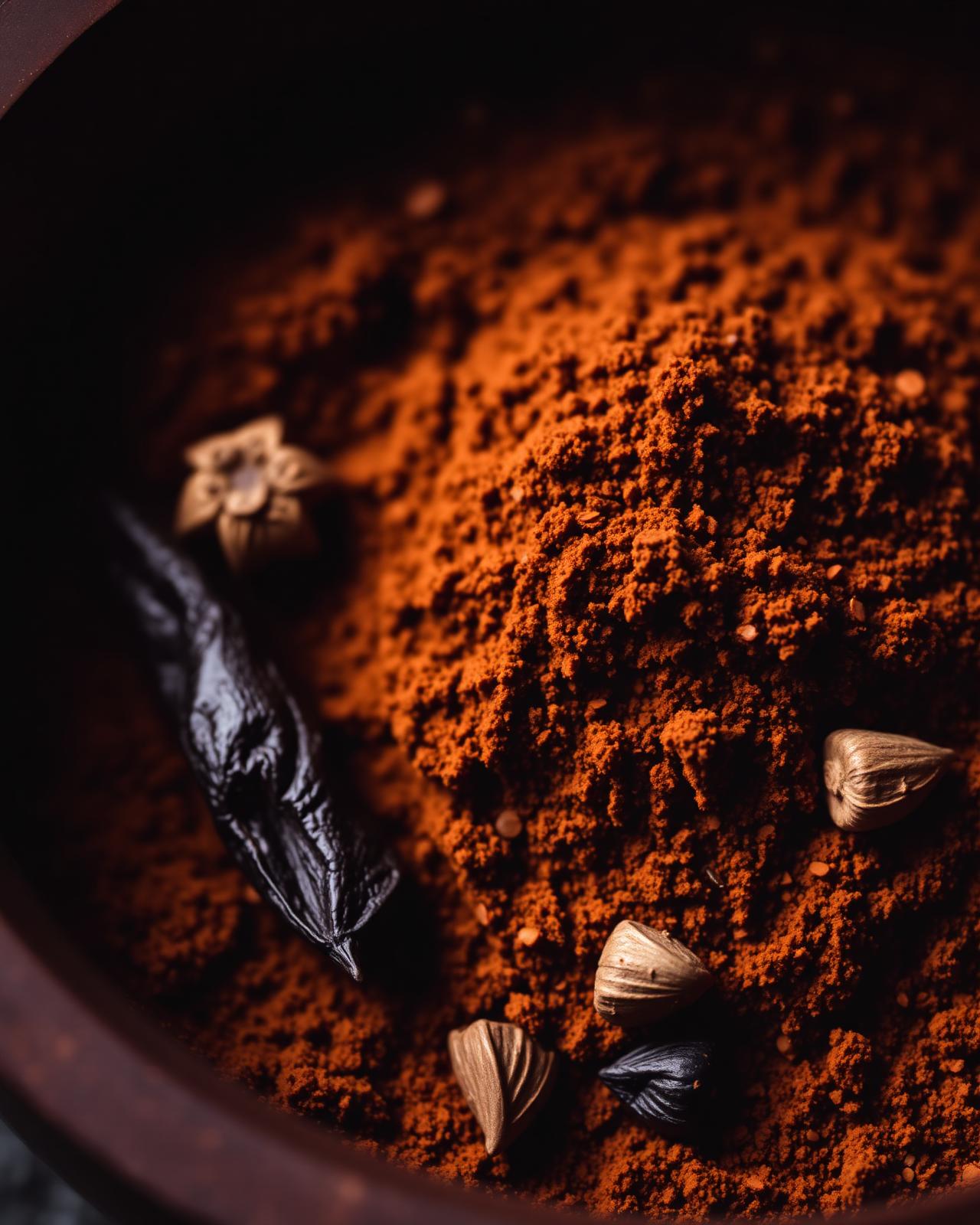
Stone-ground 'thuna paha' · 9 whole spices · Toasted to mahogany
Thuna paha
Sri Lankan kitchens divide curry powder into two — pale, raw 'unroasted' for chicken and seafood, and a deep, mahogany 'roasted' (kalu thuna paha) for beef, black pork, jak and devilled dishes. The roasted version is what gives Sri Lankan curry its smoky, almost coffee-like depth that no Indian masala matches.
We make ours in small batches in Uva: coriander, cumin, fennel, fenugreek, mustard, cinnamon, clove, cardamom and dried curry leaf, dry-roasted in cast iron until just before burning, then cooled and stone-ground. Sealed nitrogen-flushed within 48 hours of grinding so it reaches your UK kitchen still alive.
Organic & ethical
Each cinnamon shipment is HPLC-tested in the UK for coumarin and surinamensin. A 1g daily teaspoon of our Ceylon stays well below EFSA's 0.1mg/kg tolerable daily intake — cassia can blow past it in a single serving.
Our Sinharaja clove and cardamom co-operative carries Control Union EU organic certification and operates a 50-metre buffer from the UNESCO rainforest boundary. No chemical inputs, ever.
True Ceylon cinnamon can't be machine-stripped — every quill is hand-peeled by a kurundu kappanna. We pay our peelers a published per-kilo rate 35% above the Colombo auction floor, so the craft survives.
"A cinnamon quill from Galle should crumble when you pinch it. If it doesn't, you're holding cassia — and you're holding the wrong spice."
— The Miss Masala sourcing team
Browse the full single-origin range, or explore the next country on our route.
We use cookies
Strictly-necessary cookies keep the site working. Analytics and marketing cookies are off until you opt in. See our Privacy Policy.